

When Does a Roof Leak Become an Emergency?
A roof leak may start with one small ceiling mark. Hours later, that same spot can begin dripping during heavy rain. So, when does a roof leak become an emergency instead of a normal repair? The answer depends on water flow, location, and visible damage. Some leaks can wait for a planned roof visit. Others need much faster action because safety risks are present. This guide explains the key warning signs and damage risks. You will also learn when professional roofing help makes sense.
Signs Your Roof Leak Is an Emergency
Not every leak carries the same level of risk. A small stain can behave very differently from active water. The situation becomes urgent when conditions change or spread quickly. Location also matters when water reaches unsafe areas.
Watch for these roof leak emergency signs inside your home.
Active Dripping or Pooling Water Indoors
Steady dripping means water is still entering the building. That makes the problem different from an older dry stain. Pooling water can also spread beyond the first affected area. Floors and nearby walls may begin absorbing moisture as well.
Pay attention to how quickly the water collects indoors. A drip that becomes stronger needs quicker professional attention. This helps explain an active roof leak vs. a minor leak. Active entry means the roof is no longer keeping water outside.
If water keeps entering, consider an emergency roof repair service rather than waiting several days. The service is intended for urgent leaks and sudden roof damage.
Sagging Ceiling or Bulging Drywall
A wet ceiling may change shape as moisture builds above it. You might notice sagging drywall or a growing ceiling bubble. Those changes deserve more attention than a simple stain. Water can add weight to materials that are already wet.
Keep people away from any area that looks unstable. Do not press a bulge to test how wet it feels.
Common warning signs include:
- A ceiling that begins bowing downward
- Paint that bubbles around a wet area
- Drywall that feels soft or looks swollen
- Several drips appearing from one ceiling section
- New cracks forming near the damp area
A ceiling leak emergency becomes more likely when shape changes appear. The concern is no longer limited to cosmetic water marks.
Water Near Electrical Fixtures or Outlets
Water near electricity should never be treated like an ordinary stain. Even a smaller leak can become urgent in that location.
Watch for moisture near lights, outlets, switches, or powered equipment. Do not touch wet electrical parts to inspect the damage. Keep people away from the affected part of the room. Qualified help may be needed when water reaches electrical areas.
This is a good example of why leak size can mislead. A small amount of water may still create serious concerns.
Rapidly Spreading Water Stains
A ceiling stain can reveal more than its visible size. Water often travels before reaching the room below. It may move along decking or framing inside the roof. Insulation can also carry moisture beyond the original entry point.
That means the indoor stain may not show the source. The actual opening could sit several feet away. Watch the stain while rain continues outside. A growing mark suggests moisture is still moving through materials.
Other roof leak warning signs may appear nearby:
- Fresh marks forming beside the first stain
- Damp areas moving down an interior wall
- Paint changing color around the ceiling
- Dripping becoming faster during heavier rain
Finding the true entry point matters before repairs begin. A roof leak repair assessment can help trace the affected roof area.
Leak Occurring During an Active Storm
A roof leak during rain needs close attention while the weather continues. Water entry may increase as rainfall becomes heavier.
Wind can also shift loose shingles or damaged tiles. Flashing may open around vents and other roof joints. A storm can therefore turn a small weakness into active leakage. More rain may reach lower roof layers through that opening.
San Diego homes can also develop new damage after strong weather. The company’s storm damage roof repair service covers loose shingles, cracked tiles, flashing issues, and new water marks.
Stay off the roof while surfaces remain wet. Storm damage may also make normal footing less secure. Check visible conditions from a safe indoor location instead. Ground-level views can also show displaced roofing materials.
Visible Daylight Through the Roof Deck
Daylight visible from the attic can point toward an opening. The exact cause still needs a proper roof assessment. Missing materials may expose parts of the roof below. Storm impact can also leave openings through damaged roof areas.
An open section gives rain a more direct path indoors. That concern grows when more bad weather is expected soon. Do not assume every visible opening needs full roof replacement. The surrounding materials may remain in sound condition.
The important step is getting the affected area checked quickly. A roofer can then identify what repair the opening needs.
Signs It’s a Minor Leak That Can Wait for Scheduled Repair
Some leaks need repair without requiring an emergency visit. The main question is whether current conditions remain stable. A lower-urgency leak should still receive proper attention. Waiting briefly is different from leaving the problem untreated.
Small, Dry, Old Stain With No New Moisture
An older stain may remain after a past water leak. If it stays dry, immediate risk may be lower. Check whether the mark changes during the next rainfall. New moisture means the problem may still be active.
Also look for changes around the ceiling surface. Sagging or fresh discoloration can raise the urgency again. A dry mark still gives you useful information. It may show that water entered the home before.
A planned roof inspection can help identify hidden concerns before another storm. The company lists inspections among its regular roofing services.
Slow Drip During Heavy Rain That Is Already Contained
A small drip may not always require after-hours service. This applies when the water remains limited and controlled. There should be no sagging ceiling or electrical contact nearby. The drip should also stop when heavy rainfall passes.
Still, a recurring drip should not become a normal event. Each rain can send more moisture into hidden roof layers. That is why how to tell if a roof leak is serious requires context. The amount of water is only one part.
Frequency also matters when the same leak keeps returning. Repeated moisture often points toward an unresolved roof opening. If the leak returns during several storms, schedule a closer inspection. Finding the cause early can keep the repair more focused.
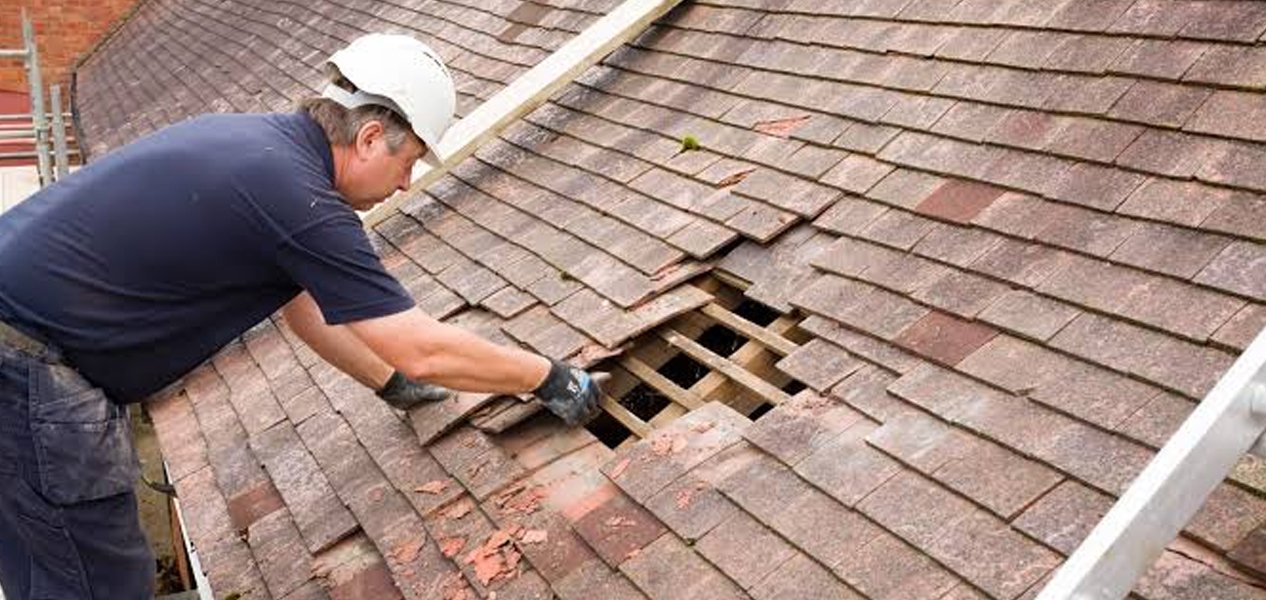
What Happens If You Ignore a Roof Leak?
Roof leaks can affect more than the spot you see. Water may travel through several materials before appearing indoors. The roof leak water damage timeline differs between homes. Rainfall, roof condition, and leak size all affect progression.
One point stays consistent: ongoing moisture gives damage more time to spread.
Moisture Can Move Beyond the Visible Stain
The ceiling mark may be the final stop for water. Moisture may have already crossed several roof parts first.
Water can move across decking before reaching insulation below. It may then follow framing toward another ceiling area. This movement explains why indoor stains can be misleading. Repair work should address the entry point above the room.
Covering the ceiling stain alone does not stop new water. The roof source must be found and repaired first.
Wet Insulation Can Hold Moisture
Insulation often sits directly below parts of the roof system. A leak may reach that material before dripping indoors.
Wet insulation can hold moisture after rainfall has stopped. Nearby wood and ceiling materials may stay damp longer. That hidden moisture makes visual checks less reliable. A ceiling can look dry while damp material remains above.
Homes with affected attic material may need further inspection. Mo’s also provides attic insulation services in San Diego for attic insulation needs.
Persistent Moisture Can Support Mold Growth
Mold needs moisture before it can grow on building materials. That makes ongoing dampness worth addressing without needless delay. A water stain does not prove mold is present. Still, continued leaking creates conditions that deserve proper attention.
Stopping the roof leak should come before cosmetic repairs. Affected materials also need time to dry after water stops.
Wood and Interior Materials Can Deteriorate
Repeated water exposure may affect decking and interior drywall. Paint and ceiling finishes can also lose their bond. Wood damage usually develops through continued moisture exposure. One brief leak does not affect every roof equally.
The condition of existing materials also changes the outcome. Older roof sections may respond differently from newer materials.
This explains how fast a roof leak gets worse. There is no single timeline that fits every property. A small opening may cause little damage during light rain. Heavy weather can send much more water through that opening.
Repair needs can also grow when several materials become wet. Addressing the source early can limit that wider repair scope.
What to Do Right Now If It’s an Emergency
Once a leak becomes urgent, focus on safety first. The goal is to reduce risk before repairs begin. A roof leak can spread quickly during heavy rain. Clear action matters more than trying to fix everything yourself.
1. Prioritize Safety Before Anything Else
Keep people away from sagging ceilings or swollen drywall. Those areas may be weaker than they look. Do not stand below a ceiling that appears unstable. Avoid touching wet outlets, switches, or light fixtures.
Never climb onto a wet roof during active rainfall. Slick surfaces can make even simple movement unsafe. If water is near electrical parts, leave that area alone. Call the right professional for safe help.
2. Contain Water Where It Is Safe
Place a bucket below a steady drip if conditions allow. Towels can help control smaller amounts around the floor. Move nearby furniture, rugs, and electronics away from moisture. This can reduce avoidable indoor damage.
Do not move items from beneath unstable ceiling areas. Personal safety should always come before property protection. If water keeps spreading, note where it travels. That information can help during the roof inspection.
3. Call a Roofer When the Leak Is Active
Knowing when to call an emergency roofer depends on current risk. Active water usually deserves quicker attention than an old stain.
Call for help when you notice:
- Steady indoor dripping
- Fast water spread
- Ceiling sagging
- Water near electrical fixtures
- Open roof areas
- Major storm damage
- Missing roof materials
An emergency roof repair service can address urgent roof damage and active leaks. The goal is to stop water entry and assess the damaged area. In some cases, temporary protection may come before final repair. The exact response depends on weather and roof condition.
4. Document the Damage
Take clear photos from a safe location inside the home. Record stains, dripping areas, and damaged belongings.
Write down when the leak started if you know. Note whether the problem began during rain or wind. Keep repair invoices and related records in one place. These details may help if you later contact your insurer.
If storm damage caused the leak, review the insurance claim roof repair service for related support. Avoid walking onto the roof for better pictures. Safe indoor photos are enough for your first record.
When to Call a Professional vs. Monitor It
Homeowners often ask, is my roof leak an emergency, or can it wait? The answer depends on how the leak behaves.
Use this simple guide before deciding what to do next.
What You Notice | Urgency | What to Do |
Old dry stain | Lower | Schedule an inspection |
Small contained drip | Moderate | Arrange repair soon |
Recurring stain after rain | Moderate | Have the source checked |
Active water spread | High | Contact a roofer quickly |
Sagging ceiling | Emergency | Clear the area and call |
Water near electricity | Emergency | Avoid the area and get help |
Open roof after storm | Emergency | Request urgent roof service |
A leak can change after the first sign appears. Check the area again during and after rain. If the stain grows, the situation has changed. Faster water flow also raises the level of concern. Repeated leaks should not become part of normal home care. They often point to a problem that still needs repair.
A roof inspection can help identify hidden damage before it becomes worse. It can also show whether repair or other work is needed.
Get Help With a Serious Roof Leak in San Diego
A roof leak becomes an emergency when safety risks appear. Active water and ceiling damage also require faster action. If you notice serious warning signs, do not wait for damage to spread. Mo’s Professional Roofing can inspect the affected area and explain the next step.
For urgent problems, visit the emergency roof repair service or request help through the website.

Frequently Asked Questions
How Do I Know If My Roof Leak Is Urgent?
A leak is urgent when water remains active or spreads quickly. Sagging ceilings and electrical contact raise the concern further. Storm openings also need faster attention. The amount of water is only one factor.
Can a Small Roof Leak Wait Until Morning?
A small contained drip may sometimes wait until morning. This only applies when no safety risks are present. There should be no sagging ceiling or electrical exposure. The leak should still receive prompt inspection.
What Happens If You Ignore a Roof Leak?
An untreated leak can affect insulation, drywall, decking, and interior finishes. Moisture may also remain hidden above the ceiling. The repair scope can grow as more materials become wet. Early attention usually keeps the problem easier to assess.
How Long Can a Roof Leak Go Untreated?
There is no single safe waiting period for every leak. Roof condition, weather, and water flow all affect the timeline. A recurring leak should not stay untreated for long. Even small leaks can worsen during stronger rainfall.
Is a Ceiling Stain Always an Emergency?
No, a dry old stain is not always an emergency. It may come from a previous leak that has stopped. A growing stain needs more attention. Sagging, dripping, or nearby electrical parts increase the urgency.