EPDM Rubber Roofing
EPDM Rubber Roofing San Diego For Flat Roofs
Flat roofs need materials that can handle sun and changing weather. Our EPDM rubber roofing San Diego service offers a flexible membrane for suitable roofs. We inspect the surface, review drainage, and plan the system based on the building and roof condition.
About EPDM Roofing
A Flexible Rubber Membrane For Low Slope Roofs
EPDM is a rubber membrane used on flat and low-slope roofs. Large sheets cover broad roof areas and form the main outer layer. The material stays flexible, which helps it handle normal roof movement as weather and temperatures change.
Your EPDM roof installation cost depends on more than roof size. Existing materials, roof access, surface prep, and drainage can affect the work. Roof openings may also need added detail when the membrane meets vents, drains, or other roof parts.
EPDM systems can use different fitting methods based on project needs. Some systems bond to the roof surface, while others use other approved methods. Seams and edges need close care because these points connect key parts of the membrane.
Before suggesting EPDM, we inspect the roof and its current condition. This helps us decide whether the material fits your property and planned roof use.
Key Benefits
Why EPDM Works Well On Many Flat Roofs
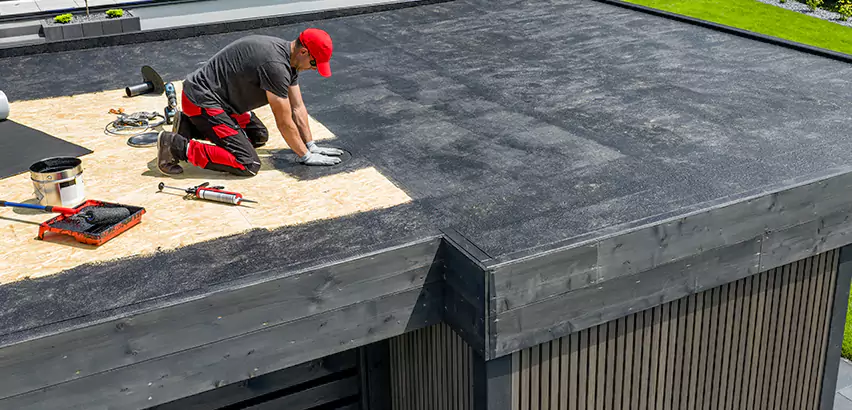
EPDM offers useful traits for many low-slope roofing projects. Its rubber-based design stays flexible as roof surfaces face changing temperatures. Large membrane sheets can also cover broad areas, making the material suitable for many simple flat roof layouts.
Key benefits can include:
- Flexible material that can handle normal roof surface movement
- Large membrane sheets suited to broad flat roof areas
- Repair options for some cuts and limited surface damage
- A simple membrane system for many low slope roofs
- Good fit for several home and business roof layouts
Material choice should still depend on the actual roofing system. Drainage, roof traffic, and current damage can affect whether EPDM fits well. We review these details before discussing material options, helping keep the choice tied to your roof rather than general claims.
Clay Tile
Clay tile offers a classic look and long service life. Many homeowners prefer clay because it keeps its color and handles heat very well.
Shingle Repair
Concrete tile provides strength and design variety. It can match many home styles while offering solid roof performance.
Spanish Tile
Spanish tile creates a rich and timeless appearance. This style remains one of the most popular choices for local homes.
Flat Tile
Flat tile gives homes a clean and modern look. It works well for owners who prefer simple roof lines and neat design.
Best Uses
Where An EPDM Rubber Roof Can Work Well
EPDM commonly works on flat and low-slope roofing areas. A rubber roof membrane San Diego property owners choose may suit garages, additions, and some business buildings. Large open roof sections can provide a good setting for this type of membrane system.
Roof drainage remains important when considering any flat roof material. Water needs a clear route toward drains or other planned exit points. Areas that hold water may need attention before membrane work begins, especially when the existing roof already shows signs of wear.
Steep roof sections usually need other roofing materials and fitting methods. We check roof slope, surface condition, and property use before suggesting EPDM. This helps match the membrane with roof areas where its material traits and fitting method make practical sense.

Installation Process
Careful Surface Work Supports A Sound EPDM Roof
We begin by checking the roof surface and existing material condition. Drainage areas, edges, vents, and other openings also receive close attention. Any damaged sections may need work first, since the membrane needs a suitable surface beneath the new roofing system.
Next, we prepare the roof based on the selected EPDM method. Membrane sheets are then placed across the planned roof areas. Seams need careful work where sheets meet, while edges and openings require details that fit the chosen roofing system.
After the main membrane goes down, we check key roof points again. Drains and roof edges should remain clear and properly finished. These areas matter because water often reaches them during rain.
Our final review covers the membrane, seams, and nearby roof details. We explain the completed work and any care needs tied to the new EPDM roof.
Lifespan And Care
Routine Checks Help Find EPDM Damage Early
EPDM roof life depends on material quality and proper fitting. Drainage, sun exposure, roof traffic, and routine care can also affect wear. Each property faces different conditions, so roof life should reflect the actual system instead of one fixed number.
Regular checks can find cuts or loose seam areas before damage spreads. Roof drains should remain clear, especially after debris collects during dry periods. Work near rooftop units can also harm the membrane, so checking those areas after other jobs can help find new damage.
Some problems may only need EPDM roof repair instead of replacement. Small cuts or limited seam issues can sometimes receive focused work. We inspect the affected membrane first, then explain whether repair makes sense based on the surrounding roof condition.
Cost Factors
What Can Change Your EPDM Roofing Cost
Roof size affects how much membrane and labor a project needs. However, total area does not tell the whole cost story. Existing roof condition can change surface prep needs, while old roofing removal may add another stage before new EPDM material goes down.
Access can also affect the amount of work involved in a project. Roof units, vents, drains, and other openings need added membrane detail. More complex roof layouts can require extra time near these areas, even when two buildings have similar roof sizes.For these reasons, EPDM roof installation cost can differ between properties. We inspect the roof before giving project details. This gives you a clearer estimate based on roof size, access, prep needs, and the actual work involved.
San Diego Roof Needs
EPDM Roofing For San Diego Flat Roof Conditions
Roof size plays a major role in TPO project pricing. Larger roofs need more membrane, detail work, and labor. Yet square footage alone cannot show the full project cost. Existing roof condition can add prep work before new material goes down.
Roof access and drainage details can also affect the job. Many vents, drains, or roof units may require more detailed membrane work. Removal of older materials can add another stage when the current roof cannot support the planned system.
For these reasons, TPO roof installation cost can vary between properties. We inspect the roof before giving project details. This lets us base the estimate on roof size, current conditions, access, and the work that the TPO system actually needs.
Material Comparison
EPDM And TPO Meet Different Flat Roof Needs
EPDM and TPO both work on many flat and low slope roofs. EPDM uses a rubber-based membrane, while TPO uses a different single-ply material. Their seam methods also differ, which can affect fitting and later repair needs.
Color creates another clear difference between many standard systems. EPDM commonly has a dark surface, while TPO often comes in lighter shades. That difference can affect how much sunlight the roof surface absorbs during warm and sunny days.
Neither material fits every building better than the other. Roof use, drainage, budget, and current condition should guide the choice. Comparing those factors can help you select a membrane based on your property instead of choosing from one feature alone.
Contact Us
Choose An EPDM System That Fits Your Roof
A good membrane choice starts with your roof, not a sales claim. Mo’s Professional Roofing can inspect the surface and explain suitable options. If you need the best EPDM roofing contractor for your roof needs, schedule a visit with our team today.
FAQs
Frequently Asked Questions
Can EPDM Roofing Work On A Residential Flat Roof?
Yes, EPDM can work on some residential flat and low slope areas. Garages and home additions may also suit this membrane. Roof slope, drainage, and current surface condition should receive a check before deciding whether EPDM fits the planned roofing area.
Can A Small Hole In EPDM Roofing Be Repaired?
Some small cuts or punctures can receive focused membrane repair. The area near the damage must remain suitable for that work. We inspect the affected section and nearby seams first, then explain whether repair can address the problem without larger roof work.
Does EPDM Need Special Care After Installation?
EPDM does not need complex daily care, but roof checks remain useful. Drains should stay clear, while cuts and seam issues need timely attention. Roof work near equipment should also receive care because tools or foot traffic can damage exposed membrane areas.
Is EPDM A Good Choice For Roofs With Many Vents?
EPDM can work on roofs with vents and other openings. However, each opening needs careful membrane and flashing details. A roof with many units may require more fitting work, so we review those areas before planning the membrane layout and project needs.
What Should I Ask When Choosing An EPDM Roofing Contractor?
Ask how the roofer checks drainage, seams, edges, and surface condition. A best EPDM roofing contractor choice should also explain the fitting method clearly. You should understand why EPDM suits your roof before agreeing to the planned roofing work.