
Best Roofing Materials for San Diego Climate Guide
Best Roofing Material for San Diego Climate and Homes
The best roofing material for San Diego climate depends on your home and roof design. Strong sun, coastal air, roof slope, and budget can shape your choice. This guide compares common materials, their main strengths, and key points to check before choosing your next roof.
Quick Answer
No Single Roof Material Fits Every San Diego Home
Tile, asphalt shingles, and metal can all suit San Diego homes. Flat and low slope areas may need TPO or EPDM instead. The right choice starts with roof shape, structure, location, and your plans for the home.
A good roofing material comparison guide should look beyond appearance alone. Heat, rain, coastal air, weight, care, and cost all matter. Your current roof can also limit which materials make sense without added structural work.
For that reason, start with your property rather than a popular material.
Roofing Materials For San Diego Homes
Compare Common Roof Types Before Making Your Choice
San Diego homes use several roof materials because local buildings vary greatly. Sloped homes may use tile, shingles, or metal. Flat sections need different systems because water moves more slowly from those surfaces.
Here is a simple starting comparison:
Roof Material | Often Suits | Main Strength | Key Point |
Asphalt Shingles | Sloped home roofs | Lower starting cost | Grade affects roof life |
Clay Or Concrete Tile | Sloped roofs | Strong sun performance | Roof must support the weight |
Metal Roofing | Many sloped roofs | Long service potential | Higher starting cost |
TPO | Flat and low slope roofs | Light reflective surface | Seams need good fitting |
EPDM | Flat and low slope roofs | Flexible rubber membrane | Drainage still matters |
Material alone cannot tell you which roof will perform best. Installation quality, ventilation, drainage, and routine care also affect the roofing system.
Heat Resistant Roofing For San Diego
Strong Sun Makes Roof Surface Choice Important
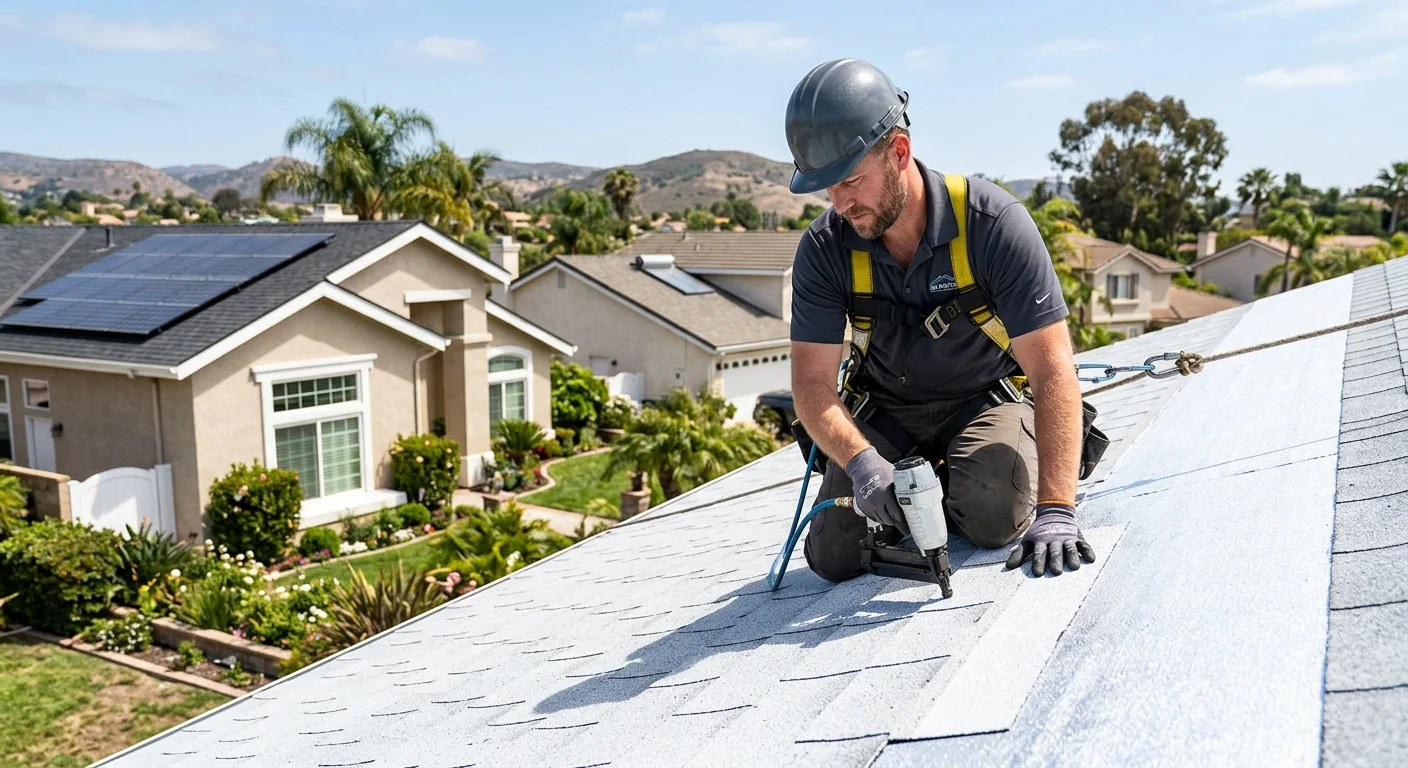
San Diego receives plenty of sunshine, so roof heat deserves attention. Some materials and surface colors absorb more solar heat than others. Roofing products can also carry different solar reflectance ratings.
When comparing heat-resistant roofing San Diego options, look at the full roof system. Tile can provide strong performance in warm climates. Some metal roofs use reflective finishes. Light membrane roofs can also suit certain flat roof areas.
California maintains requirements for roofing products in some projects. Product type, roof slope, and project details can affect which standards apply.
Insulation and attic vents matter too. A reflective surface cannot fix weak insulation or poor attic airflow by itself.
Durable Roofing Materials And Roof Life
Long Roof Life Depends On More Than Material
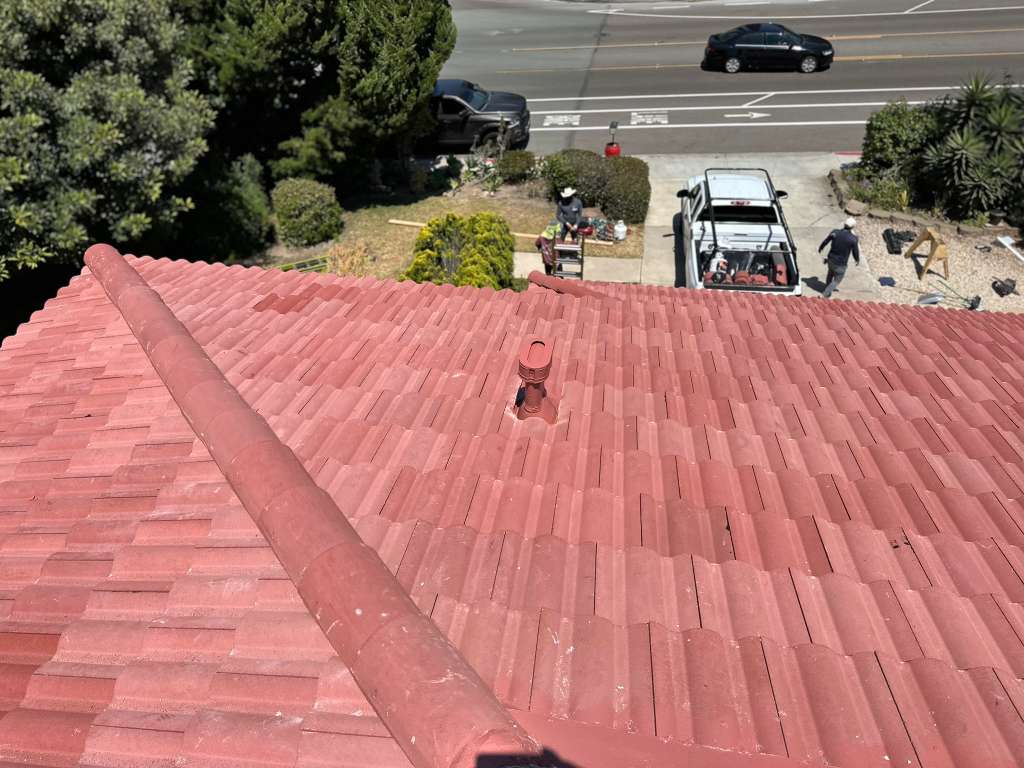
Homeowners often want durable roofing materials that coastal climate conditions will not wear quickly. Salt air, sun, moisture, and wind can affect roof parts differently near the coast. Material choice matters, but proper fitting and roof care remain just as important.
Tile can offer a long service life when the roof supports it. Metal can also provide long-term use with the right system. Asphalt shingles offer several grades, while their service life can vary by product and roof conditions.When comparing long-lasting roof materials, check the product warranty carefully. Also ask what maintenance the roof may need. A long product life claim means little when poor fitting creates leaks much sooner.
Step 1: Roof Review
We inspect the roof structure and discuss project goals.
Step 2: Material Choice
We help select the tile style that fits your property.
Step 3: Roof Installation
Our team installs the roofing system with care and precision.
Step 4: Final Check
We review all work and ensure quality standards are met.
Choosing Roofing For Coastal Homes
Coastal Air Changes What Your Roof Must Face
Homes near the San Diego coast can face salt, moisture, sun, and wind. Those conditions may affect metal fasteners, flashing, coatings, and other exposed roof parts. Properties farther inland can face different heat and weather patterns.
A roofing material coastal climate choice should consider more than the main roof surface. Fasteners and flashing must also suit the roofing system. These smaller parts often protect areas where water can find a path beneath the main material.
For coastal properties, ask about product limits and care needs before buying. Some makers provide specific guidance for coastal use. Checking those details before installation can help avoid choosing a product poorly suited to your location.
Energy Efficient Roofing Options
Roof Color And Surface Can Affect Solar Heat
An energy-efficient roofing options San Diego search may lead to cool roof products. These materials can reflect more sunlight and release absorbed heat. However, results vary by product and building.
California’s Energy Commission explains that cool roofs use high solar reflectance and thermal emittance to reduce roof temperatures. Requirements can depend on climate zone, roof slope, building type, and project scope.
Light TPO membranes can offer reflective surfaces for suitable flat roofs. Some metal systems also use reflective finishes. Tile products can vary by type and color.
Before choosing, check the actual product rating instead of judging performance from color alone.
A Simple San Diego Home Example
The Same Material Does Not Fit Every Roof
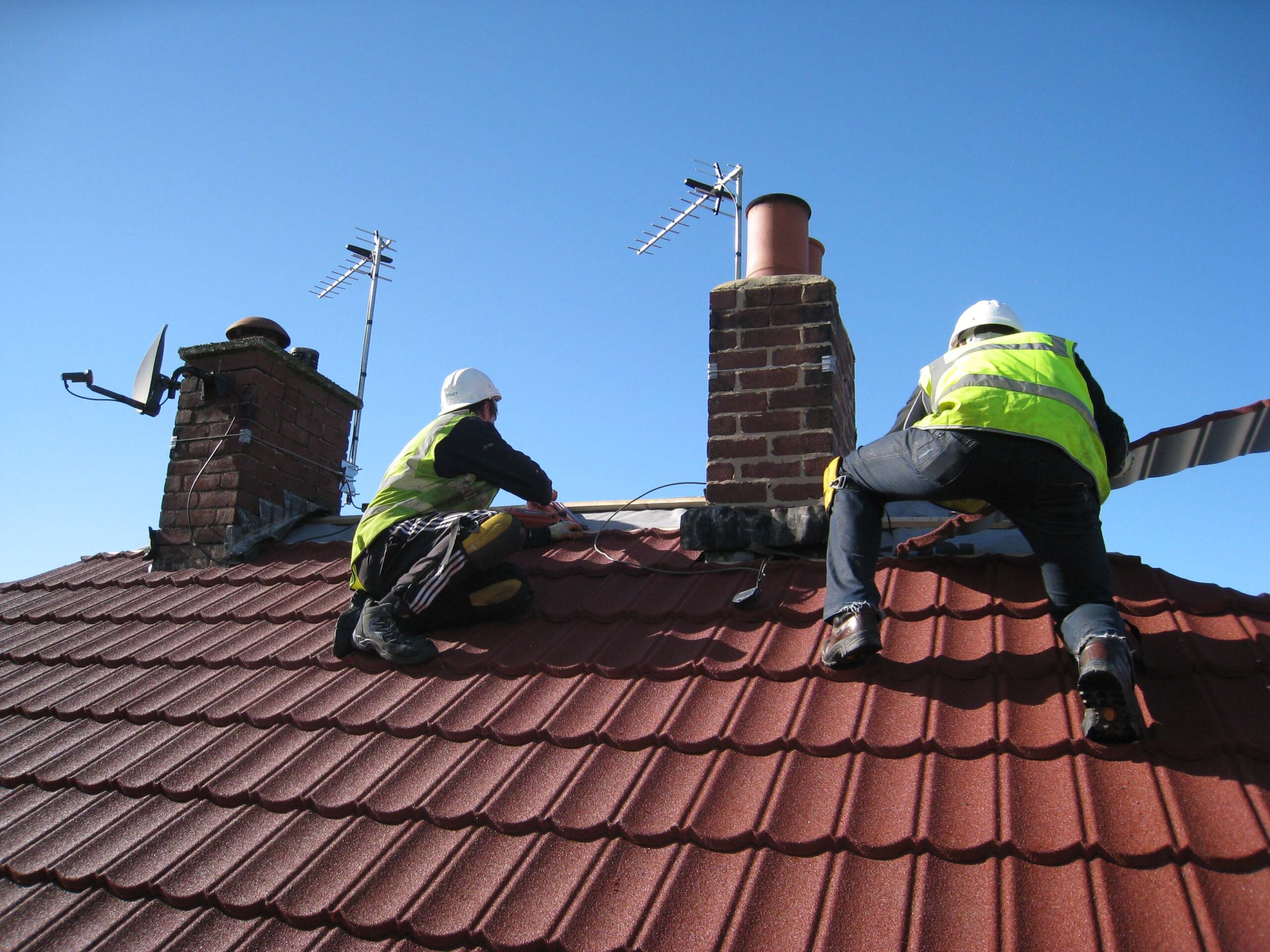
Consider two San Diego homeowners planning new roofs. One owns a sloped home with an older tile system. The second has a home addition with a low slope roof. Tile may remain a good choice for the first property. Yet using the same material on the low-slope addition may not make sense. A membrane system could fit that roof design better.
Now add budget, roof weight, and coastal exposure. The choice becomes even more specific. That is why material guides should help narrow options, not name one winner.
Common Roofing Material Mistakes
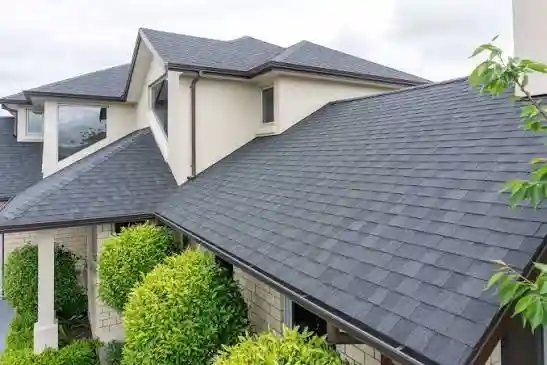
Choose For Your Roof Instead Of Following A Trend
Homes near the San Diego coast can face salt, moisture, sun, and wind. Those conditions may affect metal fasteners, flashing, coatings, and other exposed roof parts. Properties farther inland can face different heat and weather patterns.
A roofing material coastal climate choice should consider more than the main roof surface. Fasteners and flashing must also suit the roofing system. These smaller parts often protect areas where water can find a path beneath the main material.
For coastal properties, ask about product limits and care needs before buying. Some makers provide specific guidance for coastal use. Checking those details before installation can help avoid choosing a product poorly suited to your location.
Questions To Ask Before Choosing Roof Material
Good Questions Can Make Material Choices Much Clearer
Ask whether the material suits your roof slope and structure. Then, ask how it handles local sun and your property’s location. Find out what product line and grade the roofer plans to install. Two roofs using the same material type can use very different products.
Ask about material and labor warranty terms separately. You should also understand expected care and repair needs. For coastal homes, ask whether product makers place any limits on coastal use.
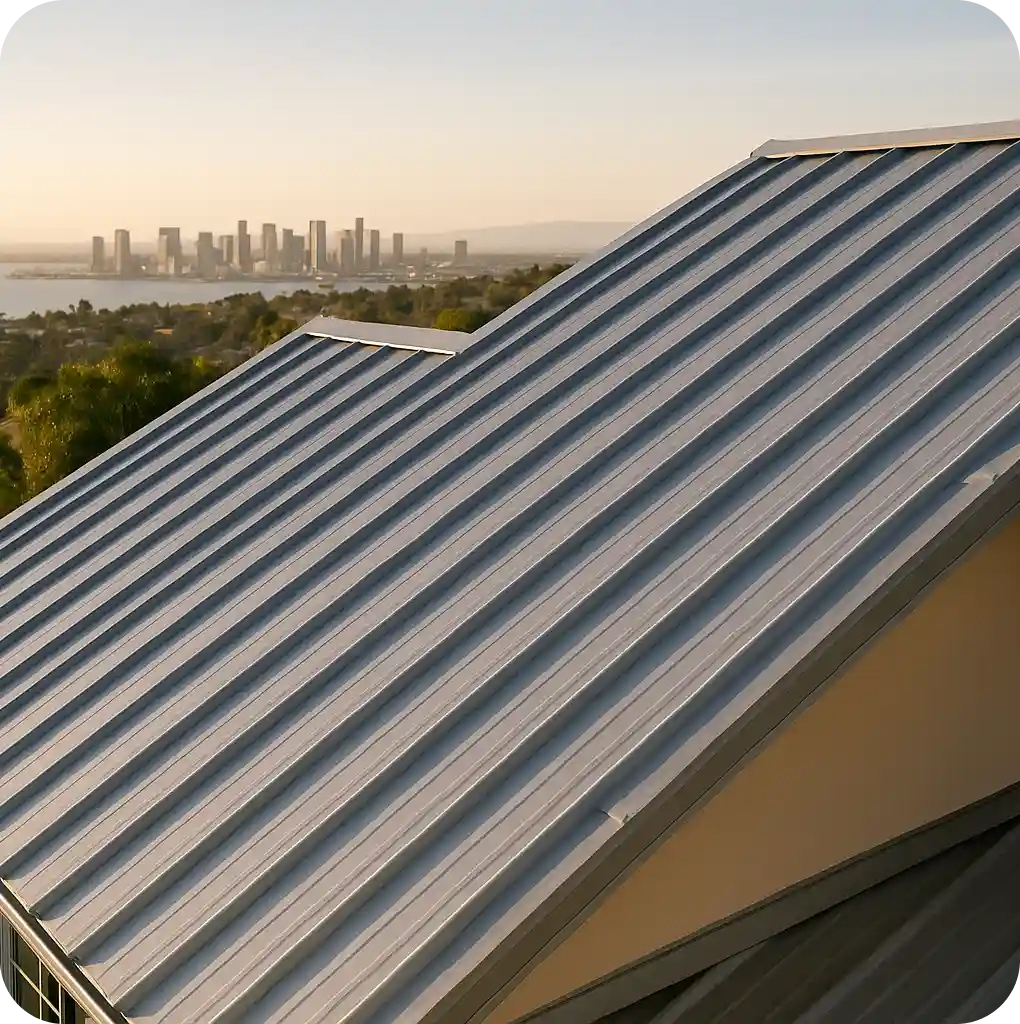
Roofing Tip
Compare Full Roofing Systems Instead Of Material Names
Do not choose between tile, metal, or shingles from one feature alone. Compare the actual product, roof fit, installation needs, warranty, and expected care. The best roofing material for the San Diego climate should fit your specific roof first. A roof check can help narrow the choices before you spend money on materials.
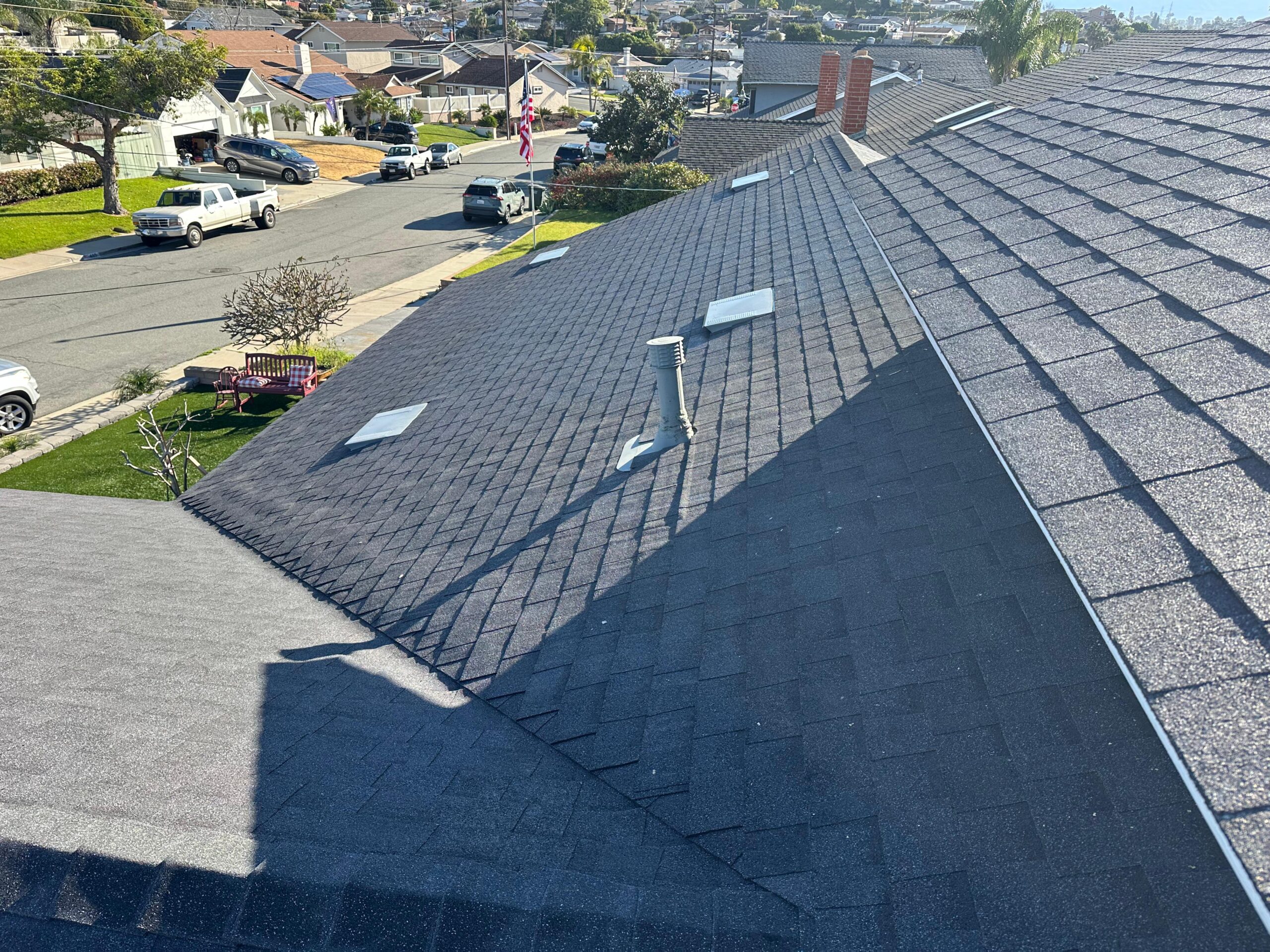
Contact Us
Find A Roofing Material That Fits Your Property
Your roof shape and location should guide your material choice. Mo’s Professional Roofing can check these details and explain suitable options. For help choosing the best roofing material for the San Diego climate, schedule a roof visit with our team today.
FAQs
Frequently Asked Questions
Which Roofing Material Works Well In San Diego Heat?
Several materials can work well when the product suits the roof. Tile, reflective metal, and some cool roof products offer useful options. Roof color, insulation, ventilation, and product ratings can also affect heat performance, so material type alone should not guide your choice.
Is Tile Roofing Better Than Asphalt Shingles In San Diego?
Neither material wins for every home. Tile can offer long service life, but it weighs more. Shingles can cost less to install and come in several grades. Roof structure, budget, design, and future care should help guide the final choice.
What Roofing Material Works Best Near The San Diego Coast?
Coastal homes need materials and roof parts suited to salt and moisture exposure. The main roofing surface matters, but flashing and fasteners matter too. Check product guidance for coastal use and choose a system that fits your home’s exact location.
Are Cool Roof Materials Required For Every San Diego Roof?
No. California roofing rules can vary by project, building type, roof slope, and climate zone. Some projects may need products that meet set energy standards. Check current project requirements before selecting materials based only on a general cool roof claim.
Which Roof Material Has The Longest Life?
Tile and metal can offer long service potential under suitable conditions. However, product type, fitting quality, weather, drainage, and care can change actual roof life. Instead of choosing by lifespan alone, compare how each material fits your roof and budget.