
Roof Ventilation Services
Roof Ventilation in San Diego for Better Airflow
Poor attic airflow can leave heat and moisture trapped beneath the roof. Mo’s Roofing provides roof ventilation in San Diego for homes and commercial properties. We review existing vents, attic conditions, roof layout, and airflow needs before recommending changes that fit the property.
About Roof Ventilation
Give Your Attic a Better Path for Heat and Moisture
Your roof works with the attic space below it. When air cannot move well, heat may build up during hot weather. Moisture can also remain longer after normal household activities or temperature changes.
Our team reviews how air enters and exits the attic. We look at existing vents, roof shape, insulation, and areas that may limit airflow. This helps us understand whether the current setup works as intended.
Good ventilation needs both intake and exhaust points. Adding one vent type alone may not solve an airflow issue. We consider the whole attic system before discussing changes.
For attic ventilation services in San Diego, we focus on the actual space beneath the roof. That gives homeowners useful information before they decide whether new vents or other changes are needed.
Ventilation Problems
Spot the Signs of Poor Attic Airflow
Attic ventilation issues can develop slowly, so homeowners may not notice them right away. Some signs appear during hot weather, while others become easier to see after moisture enters the attic space.
Watch for signs such as:
- Excess heat in the attic
- Moisture or condensation
- Damp insulation
- Musty attic odors
- Changes in roof materials
- Uneven indoor temperatures
- Damaged or blocked vents
These signs do not always point to ventilation alone. Insulation, roof leaks, drainage, and other building details can create similar concerns.
That is why we review the surrounding roof and attic areas before recommending a ventilation change. A closer look helps separate an airflow concern from another roofing issue.
Vent Installation
Choose Vent Types That Fit Your Roof
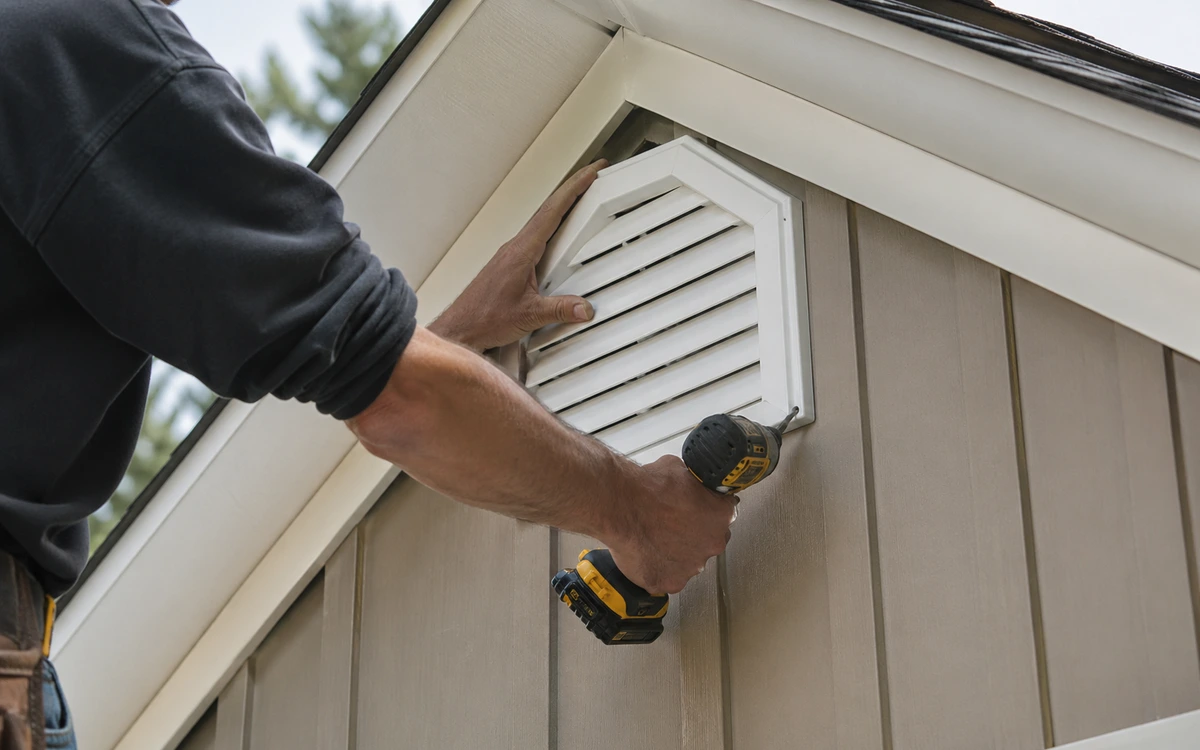
Different roofs call for different ventilation setups. Roof pitch, attic shape, existing openings, insulation, and roof materials all affect which vent types may work well. Our roof vent installation near me service focuses on fitting the ventilation system to the property. We may review ridge vents, intake vents, exhaust vents, soffit vents, and other suitable options.
A ridge vent can provide a continuous exhaust path along a roof ridge when the roof layout supports it. Proper intake airflow remains important because exhaust vents need replacement air from another part of the attic. We also check existing openings before adding new ones. Too many exhaust points without enough intake air can leave the system unbalanced.
Ridge Vent Installation
Create Steady Exhaust Airflow Along the Roof Ridge
A ridge vent installation in San Diego can work well on homes with a suitable roof ridge and matching intake airflow. The vent sits near the roof peak and allows warm attic air to leave naturally.
Before installation, we review the ridge length, roof layout, existing vents, and intake points. We also consider whether the current roof system can support the planned installation.
A ridge vent works best as part of a balanced system. That means air needs a clear path into the attic before warm air can leave through the ridge.
Improving Existing Airflow
Improve Roof Ventilation With a Balanced System
Some properties already have vents but still experience attic heat or moisture concerns. In those cases, the issue may involve blocked intake points, poor vent placement, insulation gaps, or an unbalanced setup.
To improve roof ventilation in San Diego, our team first reviews the current system. We look at how air moves through the attic and whether existing components work together.
The solution may involve adjusting existing vents rather than adding many new ones. In other cases, the roof may benefit from a different vent arrangement based on its structure.
Contact Us
Contact Mo’s Roofing About Your Roof Ventilation
Contact Mo’s Roofing if your attic feels unusually hot or shows signs of moisture. Tell us what you have noticed and share any recent roofing work. We can review the ventilation system, discuss suitable options, and help you plan the next step.
Ventilation Cost
Understand What Shapes Roof Ventilation Cost
The roof ventilation cost depends on the roof layout, attic size, vent type, access, existing openings, and installation requirements. A simple ridge vent project may have different needs from a property requiring several ventilation changes.
Roof material can also affect installation work. Shingles, tile, metal, and other systems require different methods around roof openings.
Mo’s Roofing reviews these details before discussing project pricing. That gives property owners a clearer idea of the work involved instead of relying on a general price.
FAQs
Frequently Asked Questions
Can poor ventilation make an attic feel extremely hot?
Yes. Limited airflow can allow heat to remain trapped in the attic during hot weather. Other factors, such as insulation, can also affect attic temperature.
Does adding more roof vents always improve attic airflow?
No. Vent placement and intake airflow matter too. Adding exhaust vents without enough intake air may not create the balanced airflow the attic needs.
Can ridge vents work with existing soffit vents?
They often can when the roof and attic layout support that setup. The intake openings need to provide a suitable path for replacement air.
Should roof ventilation be checked during a roof replacement?
It can be useful because the roof surface becomes easier to review during replacement. Vent placement and other roof details can then be considered before new materials go down.
Can insulation block attic ventilation?
Yes. Insulation can cover or restrict intake openings when installed incorrectly. We can review visible ventilation paths when checking the attic and roof system.
Do tile roofs need the same ventilation setup as shingle roofs?
Not always. Roofing material, roof shape, attic layout, and existing ventilation all affect the appropriate setup. Each property needs its own review.