Roofing License & Warranty Info Trust Page
Licensed and Insured Roofing Contractor Facts That Matter
Hiring a licensed and insured roofing contractor involves more than checking a company name. Homeowners should understand licenses, insurance, bonds, and warranty terms before work starts. This guide explains what these details mean and what you should check before signing a roofing contract.
Quick Answer
Check Roofing Credentials Before You Sign A Contract
A contractor license helps show that a roofer meets state rules. Insurance and bonding serve different roles, so you should not treat them as the same thing. Warranty terms also need a close review before roofing work begins.
In California, homeowners can check a contractor through the Contractors State License Board. The state provides license status and other public details for contractors.
You should also ask for written roofing warranty information. Find out who provides each warranty and what it covers. Clear terms matter more than a large number printed on a sales page.
Roofing Licenses In California
Know What A Roofing License Tells You
California uses contractor license classes for different types of work. Roofing contractors generally work under the C39 Roofing Contractor class. CSLB describes this class as covering products and materials that protect surfaces from weather conditions.
Before hiring a roofing contractor, the license number should be easy to verify. Check that the license remains active and matches the company you plan to hire. You can use the state license lookup instead of relying only on a business card or website.
License checks can also show public bond and workers’ compensation details. Review the current state record before signing, since business details can change.
This simple step gives you facts from the state source.
Bonded And Insured Roofers
A Bond And Insurance Do Different Jobs
The words bonded and insured may appear together, but they mean different things. California licensed contractors generally need a contractor license bond. CSLB states that the current contractor bond amount is $25,000.
Bonded and insured roofers in San Diego may also carry forms of business insurance. Ask what coverage the roofer currently carries and request proof when needed.
Workers’ compensation is another important point. California requires workers compensation insurance for C39 roofing contractors, even when they report having no employees.
Do not assume a license proves every type of insurance coverage. Check each item separately and ask questions when records or documents remain unclear.
Roofing Warranties Explained
Material And Work Warranties Are Not The Same
A roofing project can involve more than one warranty. A material maker may provide coverage tied to its roofing product. Your roofing contractor may provide separate terms for the work completed during installation.
This difference matters when reviewing roofing warranty information. A long material warranty does not automatically mean labor receives the same coverage. Warranty periods and limits can differ between products and contractors.Ask who handles a claim when a problem appears. Also, learn what records you need to keep after installation.Read exclusions before signing the roofing agreement. Weather damage, poor care, later roof work, or other conditions may fall outside certain terms.The written warranty should give clearer answers than a verbal promise.
Roof Workmanship Warranty Explained
Know Who Covers Problems Linked To Roof Work
A roof workmanship warranty explained in simple terms covers certain issues tied to the roofer’s work. It differs from a material warranty, which comes from the maker and follows its own terms.
Suppose a roofing material itself has a covered product fault. That concern may fall under the maker’s terms. If a problem comes from how covered roof work was completed, contractor warranty terms may apply instead.
The exact coverage depends on the written agreement. Never assume all labor problems receive coverage for the same period.
Ask what work the warranty covers and when coverage begins. Also, check its length, exclusions, transfer terms, and claim process before the project starts.
Understanding A 50 Year Roof Warranty
A Long Warranty Term Needs A Closer Look
A 50-year roof warranty San Diego homeowners see can sound simple. Yet the number alone does not explain the coverage. A 50-year term may relate to certain materials, while labor terms can follow different rules.
Ask whether coverage changes as the roof gets older. Some product warranties may offer different coverage during different periods. Transfer rules can also matter when a home changes owners.
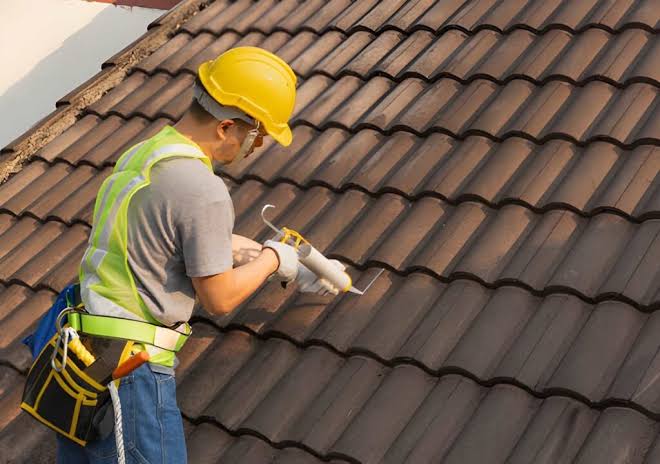
Mo’s Professional Roofing offers a 50-year warranty coverage on qualifying roofing systems. The exact terms depend on the selected system and project details.
Before work begins, review the written warranty tied to your roof. This helps you understand what applies to materials and what may apply to the roofing work.
A Simple Homeowner Example
Two Roof Warranties Can Cover Very Different Things
Imagine two homeowners who both hear the words 50-year warranty. The first receives long-term product coverage from the material maker. The roofer provides separate workmanship terms.
The second homeowner assumes the same 50 years covers all labor and materials. Years later, a problem appears, and the written terms do not match that belief.
Both homeowners heard the same number. Yet their understanding was very different.
This is why you should ask what the warranty covers before choosing a roof. The written terms matter more than the headline number.
How To Check A Roofing Contractor
Verify Key Details Before Roofing Work Begins
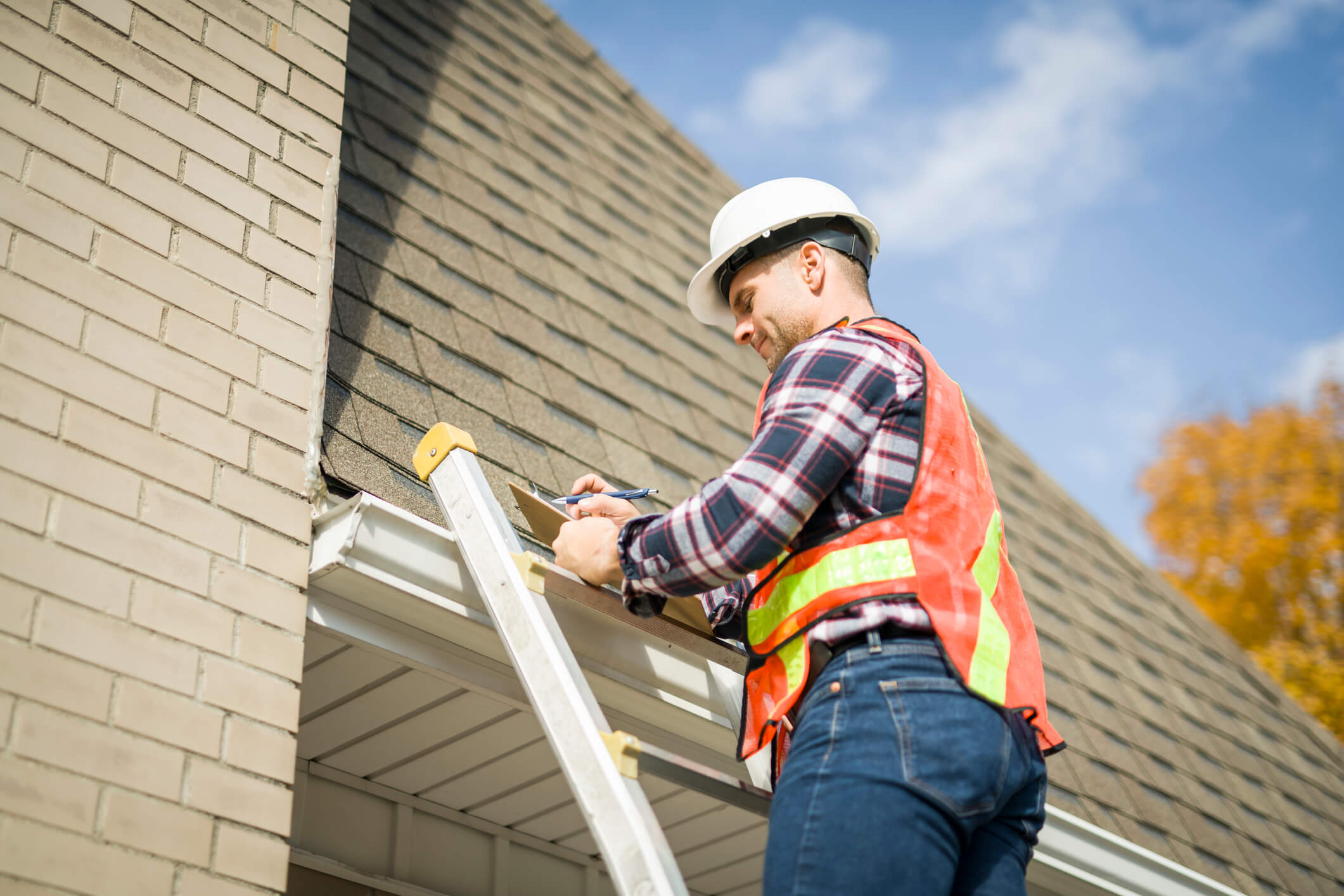
Start with the contractor’s full business name and license number. Search the CSLB record and confirm that the license remains active. Also, check whether the license class fits the roofing work you need.
Then, review these key items:
- Current contractor license status
- Correct business name on state records
- Roofing license class
- Contractor bond details
- Workers compensation details
- Other insurance proof when needed
- Written material warranty terms
- Written workmanship warranty terms
If something does not match, ask the roofer before signing. A clear answer should not require you to guess what a document means.
Common Mistakes Homeowners Should Avoid
Do Not Rely On Claims Without Checking The Details
One mistake involves seeing the word licensed without checking its status. A license number gives you a way to verify that claim.
Another mistake is treating bonded and insured as one item. They serve different purposes and should receive separate checks.
Do not judge a warranty by its length alone. A 50-year term sounds strong, but coverage details decide its real value.
Finally, keep your contract and warranty papers after the job. You may need them if a roofing concern appears later.
Questions To Ask Your Roofer
Clear Answers Can Help You Choose With Confidence
Ask for the contractor license number before signing. Then, verify it through California’s state records. Ask what insurance applies to the roofing project. You should also understand the contractor bond and workers’ compensation status.
For warranties, ask who provides each one. Find out what materials and work receive coverage.
Also, ask what can void coverage and how claims work. Get important warranty terms in writing instead of relying on spoken promises.
Roofing Trust Tip
Verify The Facts Instead Of Trusting A Logo
License badges and warranty logos can look good on a website. Still, homeowners should check the details behind those claims.
Verify contractor records through CSLB. Then, read the actual warranty for your roofing system. A few minutes spent checking these facts can give you much better information before a major roof project.
Contact Us
Ask About Roofing Credentials And Warranty Terms First
A roofing project should begin with clear facts and written terms. Mo’s Professional Roofing can explain our roofing work and applicable warranty details. If you need a licensed and insured roofing contractor, reach out to our team and discuss your roofing project today.
FAQs
Frequently Asked Questions
How Can I Check If A San Diego Roofer Has A License?
Use California’s CSLB contractor search and enter the business or license number. Check the license status, business details, and class. Do this before signing a contract, since a license number alone does not tell you whether the license remains active.
What Is A C39 Roofing Contractor License?
C39 is California’s roofing contractor class. It covers contractors who install or repair materials that protect surfaces from weather. Checking this class can help confirm whether a contractor holds a state license suited to roofing work.
Is A Roof Material Warranty The Same As A Workmanship Warranty?
No. Material coverage usually comes from the product maker under its written terms. Workmanship coverage comes from the roofer under separate terms. Coverage periods and exclusions may differ, so homeowners should read both documents before work begins.
Does A 50 Year Roof Warranty Cover Every Roof Problem?
Not necessarily. Coverage depends on the written warranty and roofing system. Material faults, workmanship, storm damage, and later roof changes may receive different treatment. Ask what the 50-year term covers and what exclusions apply before relying on that number.
What Warranty Papers Should I Keep After Roof Work?
Keep your signed contract, final invoice, material details, and written warranty documents. Save any product registration records as well. These papers can help identify your roof system and applicable terms if you need warranty help later.