TPO Roofing San Diego
TPO Roofing San Diego Properties Can Rely On
TPO roofing uses a flexible single-ply membrane for low-slope roofs. Its light colored surface can reflect sunlight, while heat-welded seams create strong connections between membrane sheets. Mo’s Roofing installs, repairs, and replaces TPO systems for suitable properties.
About TPO Roofing
A Flexible Membrane for Low Slope Roofing
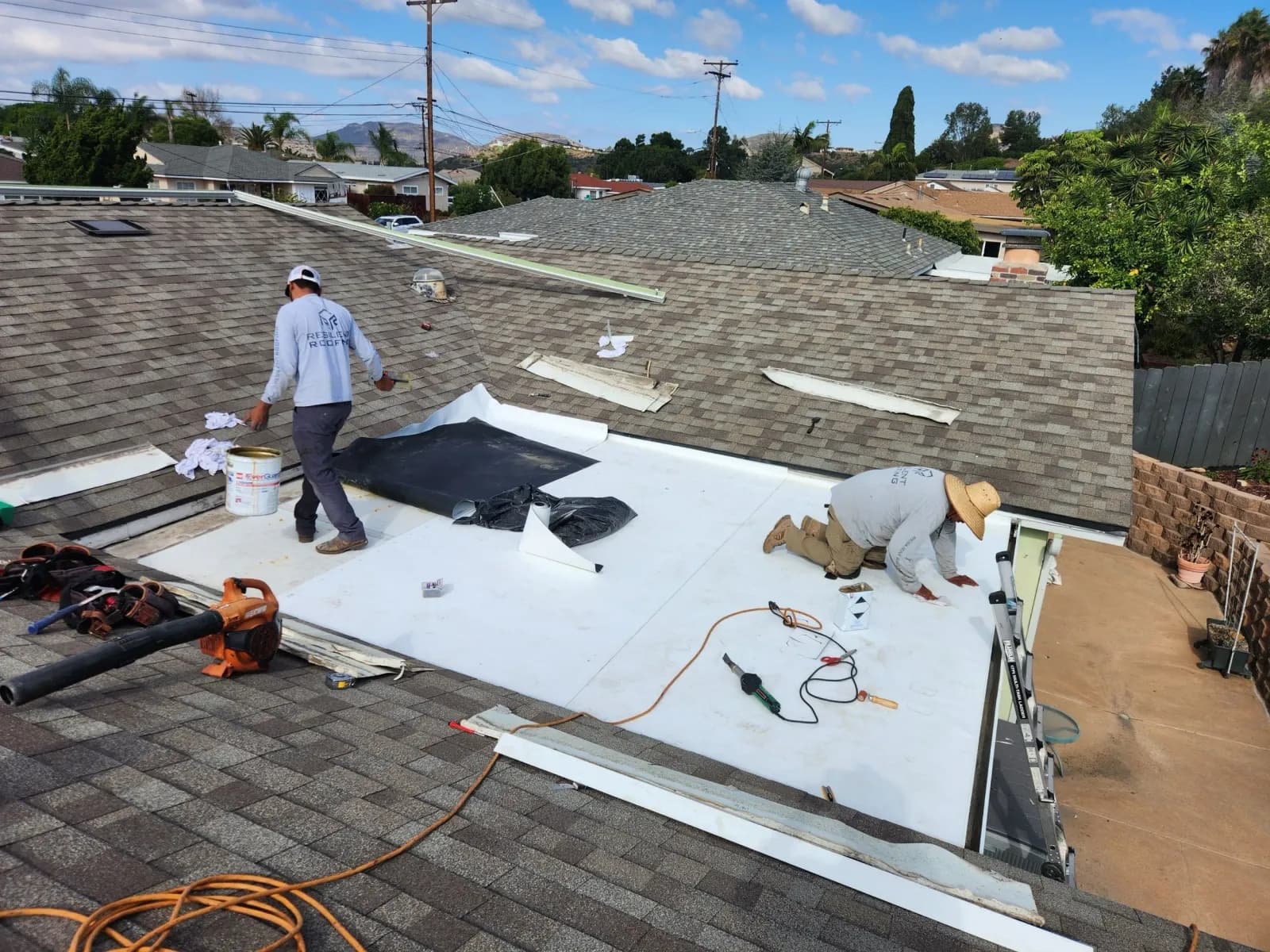
TPO is a thermoplastic roofing membrane commonly used on low-slope residential and commercial buildings. The material comes in large sheets that cover broad roof areas with fewer seams than many traditional roofing systems.
TPO membrane roofing in San Diego properties can benefit from a roof surface that handles regular sun and weather exposure. Proper installation still matters, especially around seams, drains, flashing, edges, and roof penetrations.
Roof size, existing materials, drainage, insulation, access, and surface condition all affect the project. Mo’s Roofing reviews these details before recommending a TPO system for your property.
TPO System Options
Select a TPO System That Fits the Roof
TPO roofing comes in different membrane thicknesses and installation methods. The right choice depends on the building, roof condition, insulation needs, and installation requirements.
Fully Adhered TPO
Adhesive secures the membrane to the prepared roof surface for a stable installation.
Mechanically Attached TPO
Fasteners secure the membrane to the roof assembly at planned locations.
Ballasted TPO
Approved ballast holds the membrane in place when the roof structure supports this method.
Reinforced TPO
Reinforced membrane contains added support within the sheet for greater material strength.
Key Benefits
Why TPO Works Well for Many Low Slope Roofs
TPO offers several features that make it a practical membrane choice for suitable properties. TPO Roof Installation Cost can vary based on roof size, membrane thickness, insulation, access, removal work, and the existing roof condition.
- Large membrane sheets
- Heat-welded seams
- Light colored surface options
- Flexible material construction
- Several installation methods
- Suitable for many low-slope roofs
The roof still needs proper drainage and careful detailing. Good installation plays a major role in how the complete system performs.
TPO vs EPDM
Compare Two Membranes Before Choosing Your Roof
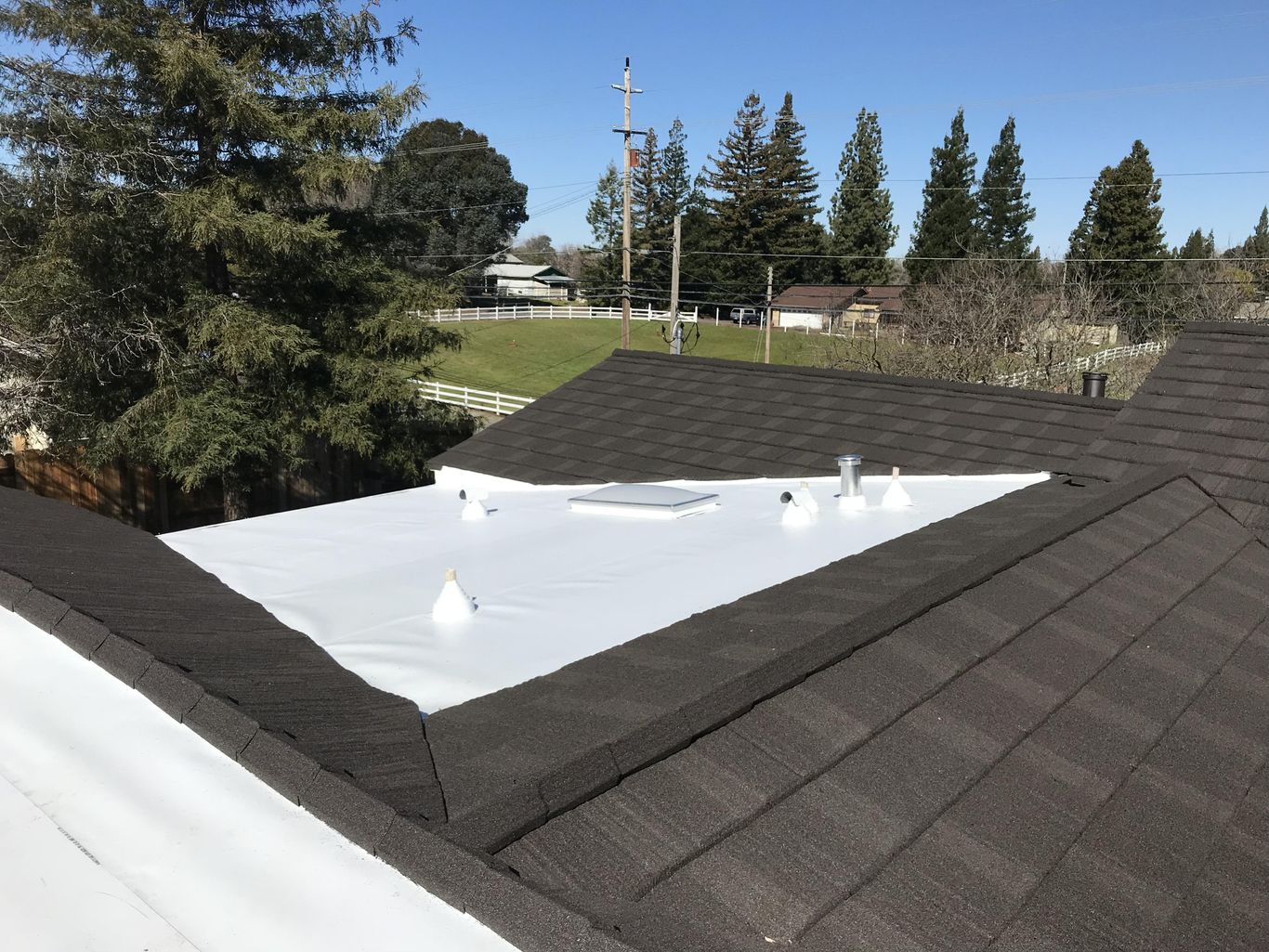
TPO and EPDM both serve low-slope roofing applications, but they use different materials and have different characteristics. TPO vs EPDM Roofing decisions should consider the property rather than choosing one membrane for every project.
TPO is a thermoplastic membrane with heat-welded seams. EPDM uses synthetic rubber and relies on different seam and installation methods. TPO commonly comes in light colors, while EPDM is often available in black.
Roof size, insulation, sun exposure, existing materials, drainage, and project goals can all affect the choice. A roof assessment can help homeowners compare both options.
Repair and Replacement
Give Damaged TPO Membranes the Right Attention
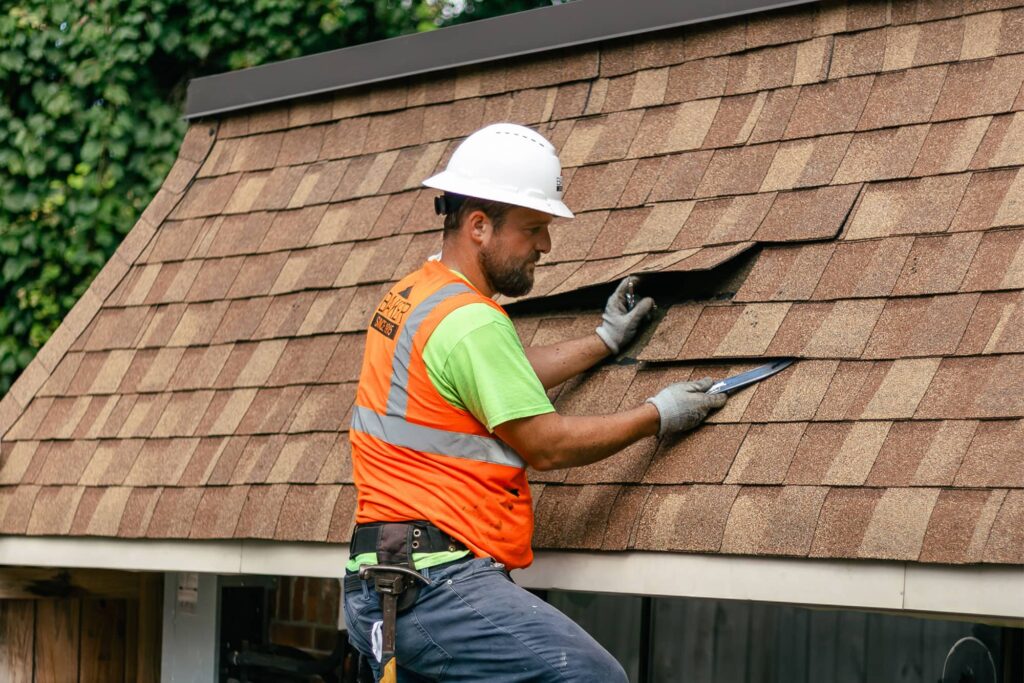
TPO roofs can develop punctures, seam damage, membrane tears, or problems around flashing and penetrations. Drainage issues can also contribute to water concerns when water remains on areas of the roof.
TPO Roof Repair Near Me searches often begin after a property owner notices water entry or visible membrane damage. A close roof review can help identify the source and determine whether focused repair makes sense.
Replacement may become appropriate when damage affects large areas or the existing membrane has significant age and wear. Mo’s Roofing reviews the system before recommending repair or replacement.
TPO Roofing Process
A Precise Process for Installing TPO Membrane
TPO installation requires careful surface preparation and accurate work around seams and roof details. We keep each stage clear so homeowners know what happens during the project.
Step 1: Roof Review
We check the existing roof and identify areas needing attention.
Step 2: Surface Preparation
We prepare the roof surface before placing the new membrane.
Step 3: Membrane Installation
We position the TPO sheets and secure them using the selected method.
Step 4: Seam and Detail Check
We review welded seams, edges, drains, flashing, and roof penetrations.
Why Choose Our TPO Roofing Service
TPO Roofing Work Focused on Seams and Roof Details
A TPO system depends on more than the membrane sheet. Seams, edges, flashing, drains, penetrations, and surface preparation all affect the finished roof. Mo’s Roofing keeps these details in focus during each project.
- Membrane Knowledge: We understand common TPO systems and installation methods.
- Roof Condition Review: We assess the existing surface before recommending repair or replacement.
- Seam Attention: We focus on membrane connections and areas that require careful detail work.
- Drainage Awareness: We consider water movement and visible drainage concerns.
- Commercial Roofing Support: Our Commercial TPO Roofing Contractor service can help businesses with suitable low-slope roofing systems.
- Clear Project Advice: We explain material choices and project details in straightforward language.
FAQs
Frequently Asked Questions
What type of roof works well with TPO?
TPO commonly suits low-slope roofs on residential and commercial properties. The roof structure, drainage, existing material, and project requirements should support the selected system.
Are TPO seams welded?
Yes. TPO membrane sheets commonly use heat-welded seams. Proper welding creates a strong connection between sheets when the installer prepares and handles the material correctly.
Can TPO roofing handle San Diego sunlight?
TPO can handle regular sun exposure, and many TPO membranes use light colored surfaces. Roof condition, membrane quality, installation, and maintenance still affect performance.
Can damaged TPO roofing receive a repair?
Yes, localized punctures, tears, and certain seam problems may allow focused repairs. The surrounding membrane should also receive a close review before repair work begins.
Is TPO better than EPDM?
Neither material works best for every property. TPO and EPDM have different material properties, seam methods, and surface options. Roof conditions and project goals should guide the choice.
What affects TPO roofing installation costs?
Roof size, membrane thickness, insulation, installation method, access, existing roof condition, and removal work can all affect the final project cost.
How can I tell if my TPO roof needs replacement?
Widespread membrane damage, repeated leaks, extensive wear, and significant age can point toward replacement. A professional roof assessment can help determine whether repair remains practical.