
Signs You Need a New Roof
Signs You Need a New Roof Before Damage Grows
Some roof problems need a small repair, while others point deeper. Knowing the signs you need a new roof can help you act sooner. This guide explains leaks, worn materials, roof age, and other clues that may call for a full roof check.
Quick Answer
Several Roof Problems Together Can Signal Larger Wear
One cracked tile or missing shingle rarely means full replacement alone. The bigger concern starts when damage appears in several roof areas. Repeat leaks, wide material wear, and an aging roof can all point toward larger roofing needs.
If you wonder how to tell if a roof needs replacing, look at patterns. A problem that keeps returning after repairs deserves closer attention. Several weak areas can also show that the roofing system has reached a later stage of wear.
A roof check can help separate one repair from wider damage.
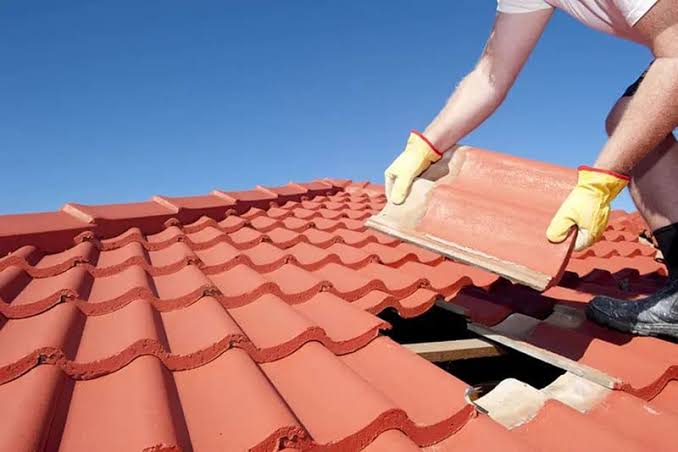
Common Signs Your Roof May Need Replacement
Look For Patterns Instead Of One Small Problem
Roof wear can appear outside and inside your home. Some signs develop slowly, while storms can make existing weak areas more clear. Pay attention when several problems begin appearing close together.
Warning Sign | What It May Mean | What To Do |
Repeat leaks | More than one weak roof area | Get the full roof checked |
Missing shingles | Wind or material wear | Check nearby shingles |
Curling shingles | Aging or worn material | Review the wider roof |
Ceiling stains | Water may enter above | Find the leak source |
Wide roof wear | Material may be aging | Compare repair and replacement |
Sagging areas | Possible deeper roof issue | Get prompt roof help |
These signs do not prove that replacement is needed. They show when a closer roof check makes sense.
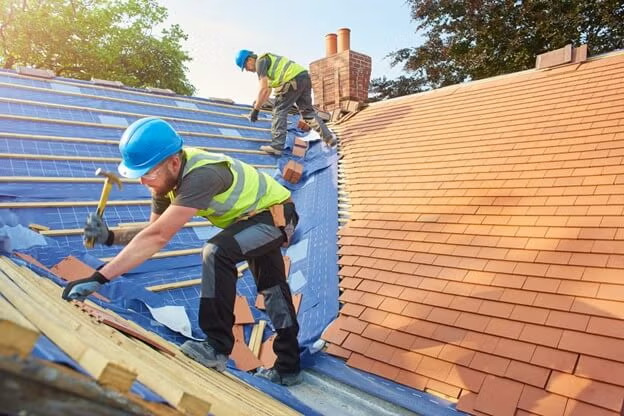
Roof Leaks That Keep Coming Back
Repeat Water Entry Can Point To A Wider Problem
A single leak can come from one failed roof area. Flashing near a vent may fail, or one damaged section may let rain enter. In those cases, a focused repair may solve the problem without replacing the full roof.
The roof leaking signs of damage become more concerning when leaks appear in new places. Water stains in several rooms can point toward wider roof wear. Repeat repairs in different areas can also show that several roof parts now need attention.
Water can also travel beneath roofing before reaching your ceiling. The indoor stain may not sit below the actual roof leak. Finding the source matters before deciding whether repair or replacement makes sense.
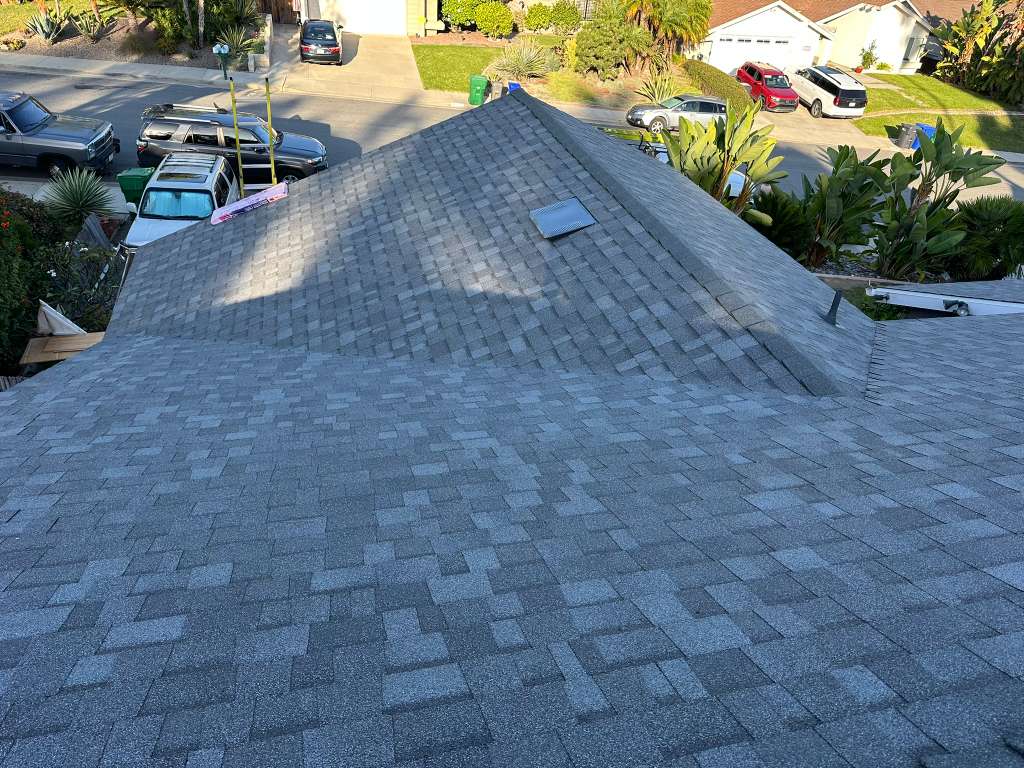
Curling And Worn Shingles
Shingle Changes Can Show How Your Roof Is Aging
Shingles can change shape as they face years of sun and weather. Edges may lift or curl, while surface material can wear away. A few damaged shingles may need repair, but wide wear can point toward a larger roof issue.
Curling shingles: roof replacement decisions should consider how much of the roof has changed. One curled section does not give the full answer. Check whether similar wear appears on several slopes and whether leaks have also started inside the home.Missing shingles deserve attention as well. Open roof areas can expose lower layers to rain. After strong wind, look from the ground for clear changes and arrange a roof check when damage appears.
Roof Age And Replacement
Age Matters, But Condition Matters More
Homeowners often ask about roof age when to replace their current system. There is no single age that applies to every roof. Material type, fitting quality, sun, drainage, past repairs, and roof care can all change how a roof ages.
Two roofs installed during the same year may have different conditions today. One may have good drainage and little damage. Another may have faced repeated leaks, poor airflow, or years of repair work.
Use age as one part of the decision, not the only reason. Older roofs deserve closer checks when leaks or material wear begin appearing. Actual condition should guide whether another repair still makes sense.
Roof Inspection Warning Signs
Some Problems Need A Closer Look From A Roofer
You can spot several roof issues without climbing onto the roof. Look for new ceiling marks, missing materials, loose gutter debris, or visible roof changes. These clues can tell you when a closer check may help.
Important roof inspection warning signs can include repeated water stains and wide material wear. Sagging roof areas also need prompt attention. Large changes after a storm should receive a check, even when no indoor leak has appeared yet.
Avoid walking on a damaged roof yourself. Loose tiles or worn materials can make footing unsafe. Ground-level photos can help record visible changes until a roofer can inspect the area more closely.

Repair Or Replace Your Roof
The Amount Of Damage Often Guides The Choice
Repair can make sense when damage stays within one roof area. A failed flashing point or several missing shingles may need focused work. The surrounding roofing should still have enough useful life for that repair to make sense.
Replacement becomes worth discussing when wear covers much of the roof. Repeat leaks in different areas can also change the decision. Past repair history matters because frequent work may show that several roof parts have begun failing.
Consider the roof as one system before choosing. Material condition, age, leaks, and deck concerns should all guide the decision. A roof check gives you more useful facts than choosing replacement from one warning sign alone.
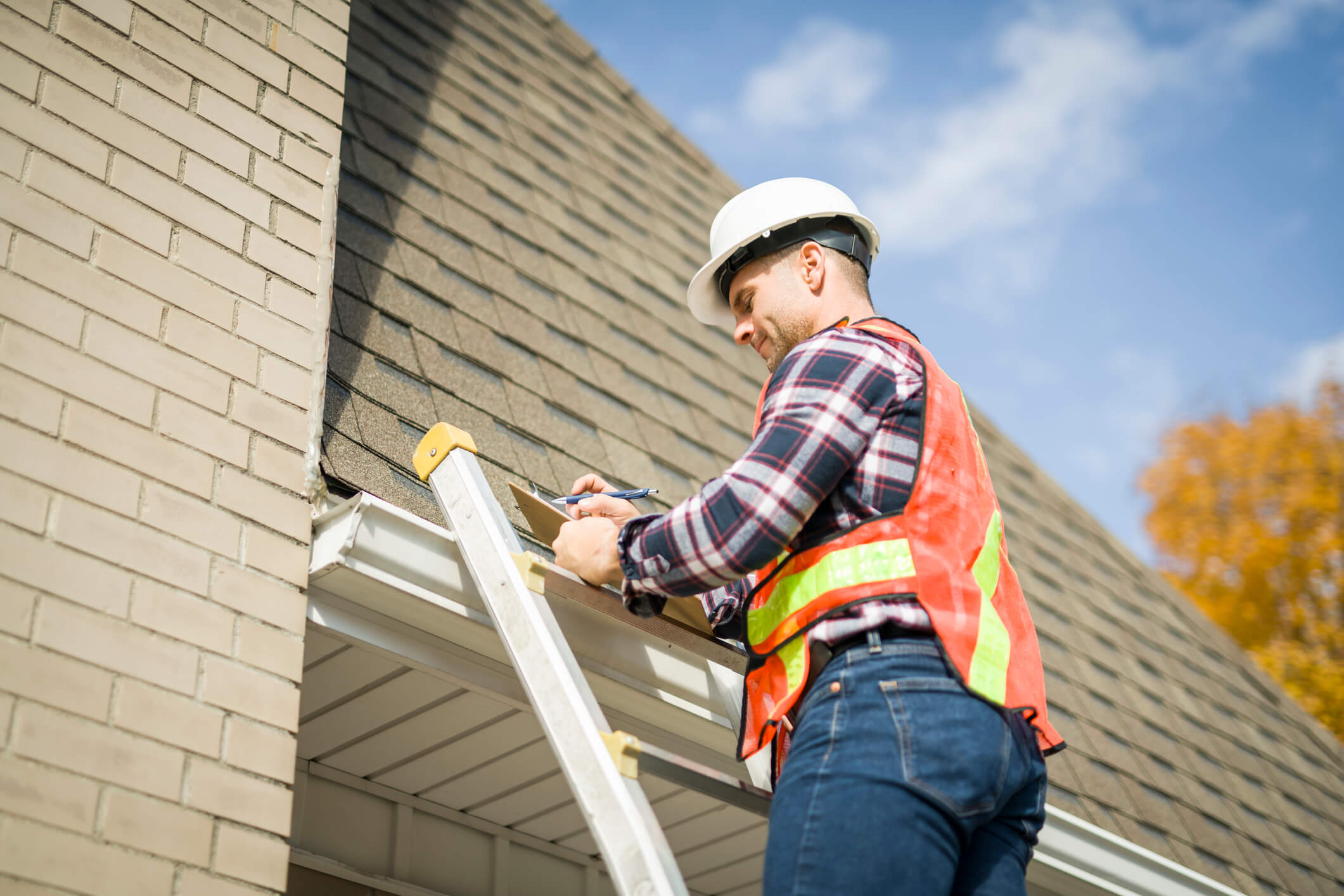
A Simple Homeowner Example
One Leak And Several Leaks Tell Different Stories
Consider one homeowner who finds a leak beside a roof vent. The surrounding shingles remain in good shape. A roofer finds failed flashing at that single point. A focused repair may make sense for this roof.
Now consider another home with leaks in three rooms. Shingles curl across several slopes, and past repairs keep failing. That pattern deserves a full roof review because the problem no longer sits within one small area.
The difference is not simply roof age. It is the amount and spread of damage.
San Diego Roof Warning Signs
Sun And Seasonal Rain Can Reveal Aging Roof Areas
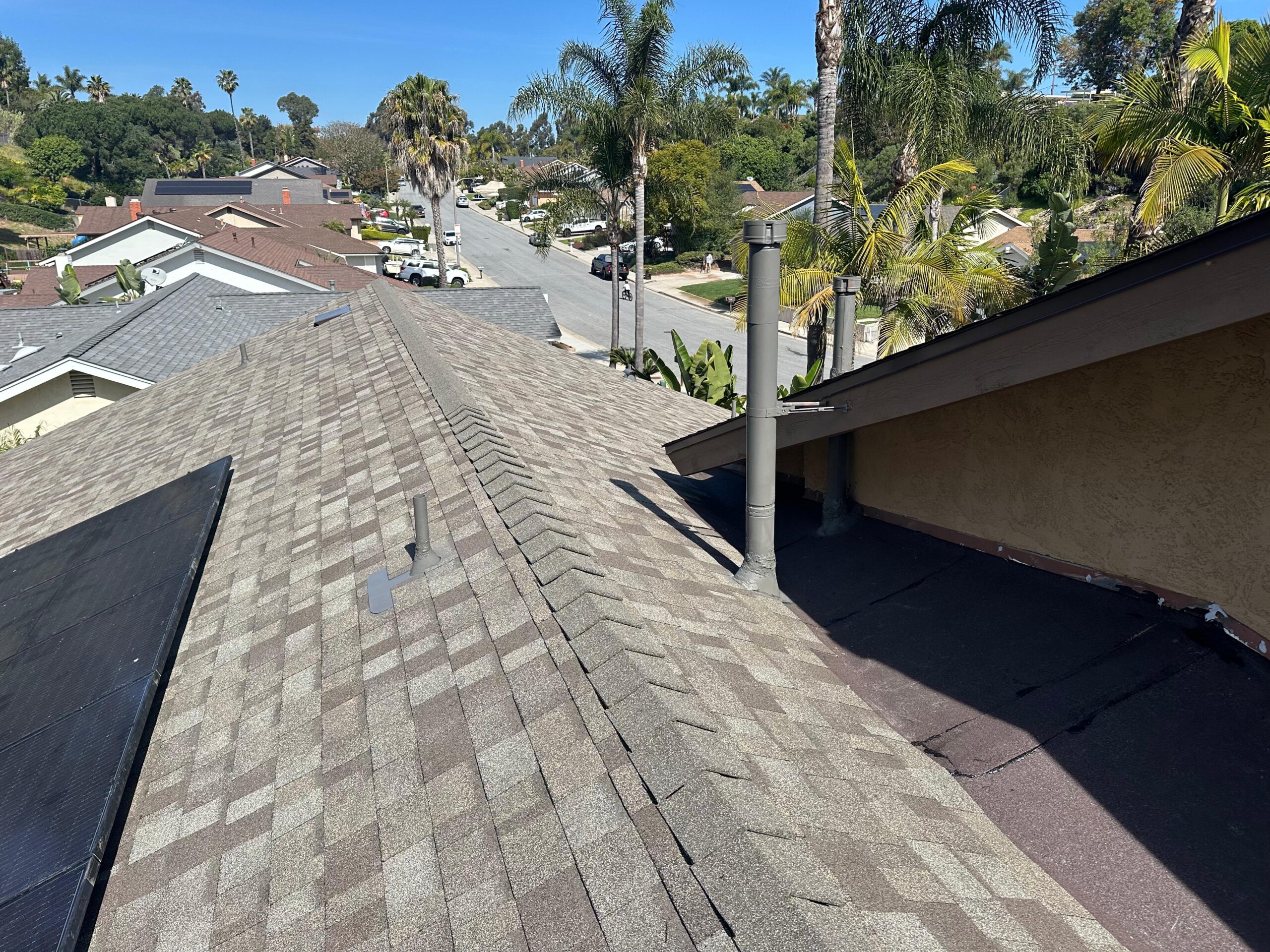
San Diego roofs can spend long periods under strong sun. Over time, heat and sunlight can affect some roofing materials. Then seasonal rain may reveal cracks, weak joints, or other areas that no longer keep water outside.
Coastal properties may also face moisture and salt air. Roof parts can age differently based on location and material type. For this reason, compare new changes with your roof’s normal condition instead of waiting for a major leak.
Checking the roof after strong weather can also help. Look for missing materials or new indoor stains once conditions become safe.
Common Mistakes To Avoid
Do Not Wait For A Major Leak
Waiting for water to drip into a room can allow hidden damage to grow. Small ceiling stains already deserve attention.
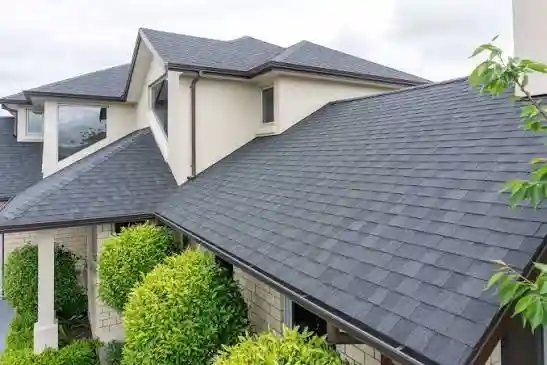
Do not assume an old roof needs full replacement either. Age matters, but current condition matters more. Another mistake involves repairing the same symptom without finding its source. Water may enter from a different roof area.
Finally, avoid climbing onto a damaged roof yourself. A ground check and roof visit offer a safer way to learn more.
Questions To Ask During A Roof Inspection
Clear Questions Can Help You Understand Your Roof
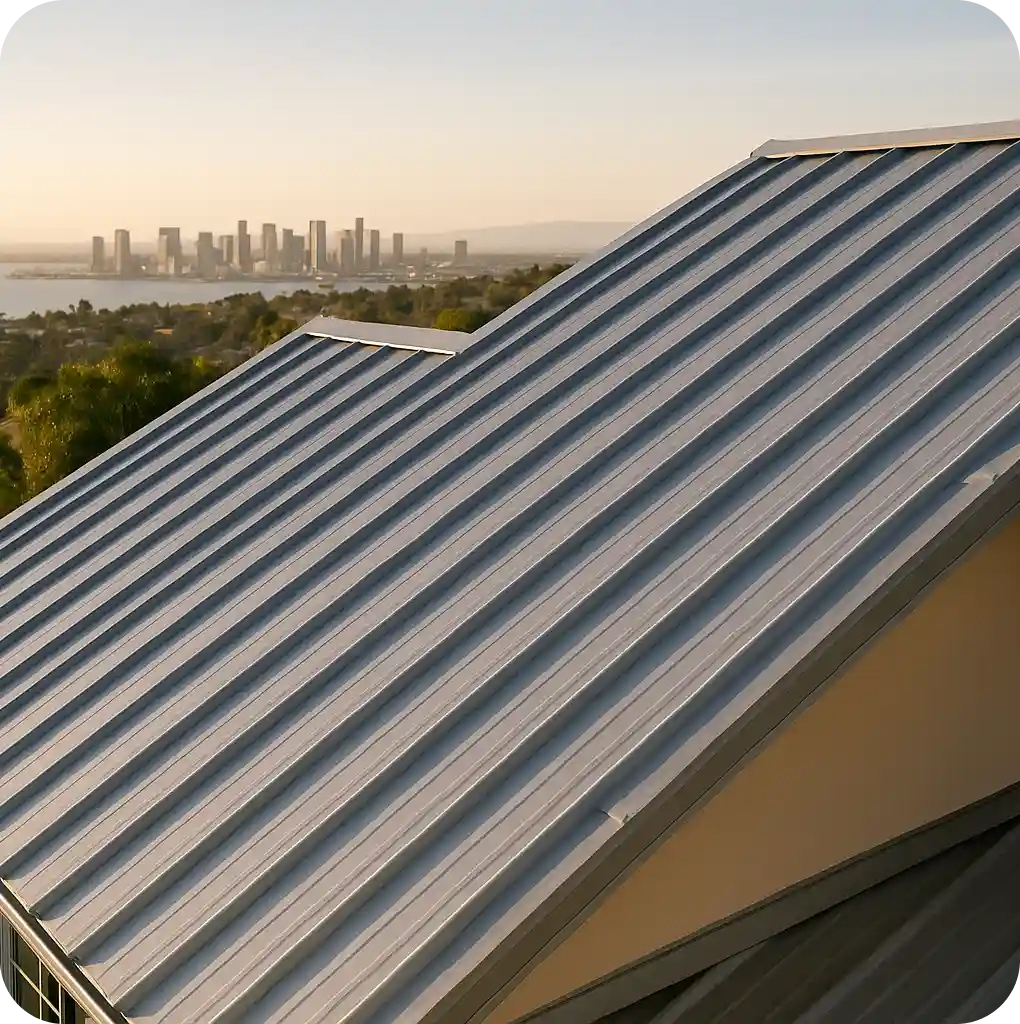
Ask which roof areas show damage and how much surface they affect. Find out whether the problem appears local or across several sections.
Ask whether the deck shows visible signs of concern. You should also learn whether flashing, vents, or drainage add to the problem.
If replacement gets suggested, ask why repair may no longer make sense. A roofer should explain the roof findings clearly instead of relying on age alone.
Roofing Tip
Keep A Simple Record Of Roof Problems
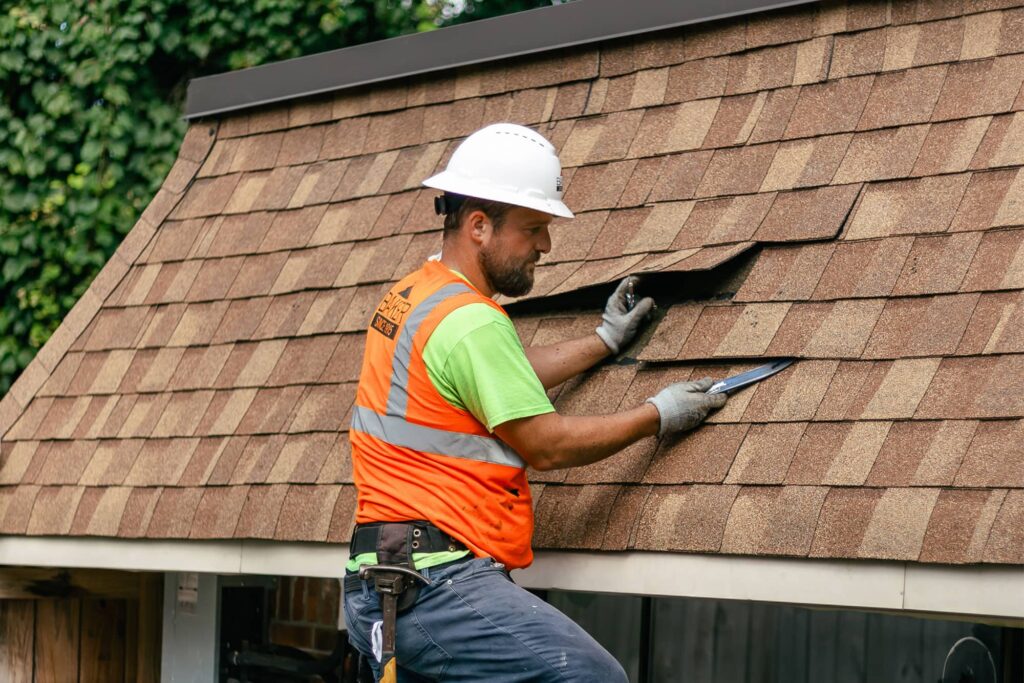
Save photos and dates when you notice leaks or roof changes. Also, keep records of past repairs and roof checks. This simple history can reveal patterns that are easy to forget. Several repairs within different roof areas may tell you more than one recent leak alone.
Contact Us
Find Out What Your Roof Actually Needs
Roof warning signs do not always mean full replacement. Mo’s Professional Roofing can check the damage and explain your options. If you notice signs you need a new roof, schedule a roof inspection before small concerns have more time to grow.
FAQs
Frequently Asked Questions
Does One Roof Leak Mean I Need A New Roof?
No. One leak may come from a small damaged area or failed flashing. The roof may still have many sound sections. Replacement becomes more likely when leaks keep returning, or several roof areas show wide wear at the same time.
Can My Roof Need Replacement Without Leaking Yet?
Yes. Wide material wear can develop before water reaches your living space. Missing shingles, curling areas, or other roof changes may appear first. A roof check can show whether those signs need repair or point toward larger roofing work.
Are Curling Shingles Always A Sign Of Roof Failure?
Not always. A few damaged shingles may only need focused attention. Curling across several roof areas deserves a closer check. Roof age, material condition, leaks, and the amount of affected surface can help guide the next roofing step.
Should I Replace My Roof Just Because It Is Old?
No. Roof age gives useful context, but it should not make the decision alone. Some older roofs remain in fair condition, while younger roofs can develop damage. A roof inspection can show how the actual system has aged.
What Should I Look For Inside My Home?
Check ceilings and upper walls for new stains or damp spots. Attic areas may also show moisture near roof leaks. Indoor signs do not always reveal the exact entry point, so the roof above should receive a closer check.