
Signs You Need a New Roof
Signs You Need a New Roof Before Problems Grow
A roof rarely fails without showing clues first. Missing materials, repeated leaks, sagging areas, and widespread wear can all signal that the roof needs more than a small repair. This guide explains what to look for and when a replacement may make sense for your San Diego home.
Quick Answer
Several Warning Signs Can Point Toward Replacement
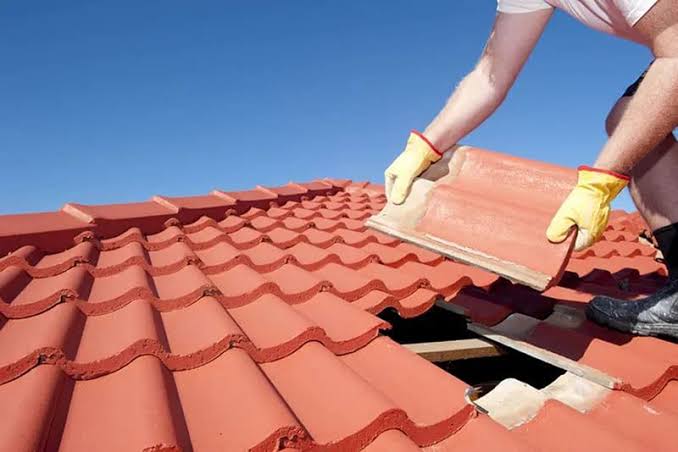
Knowing how to tell if You Need a New Roof starts with looking at the whole system rather than one damaged spot. A single missing shingle may need a simple repair, while repeated leaks and widespread deterioration can indicate a larger problem.
Roof age also matters, but age alone does not prove that replacement is necessary. Material type, installation quality, weather exposure, ventilation, maintenance, and previous repairs can all affect the roof’s condition.
If several warning signs appear at once, a professional inspection can help determine whether repair remains practical or replacement makes more sense.
Warning Signs at a Glance
Know Which Roof Problems Need Closer Attention
Some signs are easy to notice from the ground, while others need a professional roof check. The table below gives homeowners a simple way to understand what different problems may mean.
Warning Sign | What You May Notice | What It Could Mean |
Missing or damaged shingles | Gaps, cracks, or exposed areas | Localized or widespread material damage |
Repeated leaks | Recurring stains or water entry | Ongoing roof or flashing problems |
Sagging areas | Uneven roof lines | Possible structural or moisture concerns |
Granule loss | Bare or worn shingle surfaces | Aging or damaged shingles |
Damaged flashing | Gaps or visible deterioration | Water entry risk around roof details |
Old roofing system | Material nearing its expected life | Replacement may become more practical |
One sign does not always mean you need a new roof. The number of affected areas, roof age, repair history, and condition beneath the surface all matter.
Roof Leak Warning Signs
Repeated Water Problems Should Not Become Routine
A roof leak can begin with a small ceiling mark and become a larger concern when water continues entering the home. Stains, peeling paint, damp insulation, or musty areas near the ceiling can point to water intrusion.
Roof Leak Warning Signs may also appear around vents, skylights, chimneys, flashing, and other roof openings. The visible indoor stain may sit away from the actual entry point because water can travel through building materials.
One isolated leak may have a repairable cause. Repeated leaks in different areas can suggest broader roof deterioration and deserve a closer assessment.
Roof Age and Life Expectancy
Age Matters, But It Does Not Tell the Whole Story
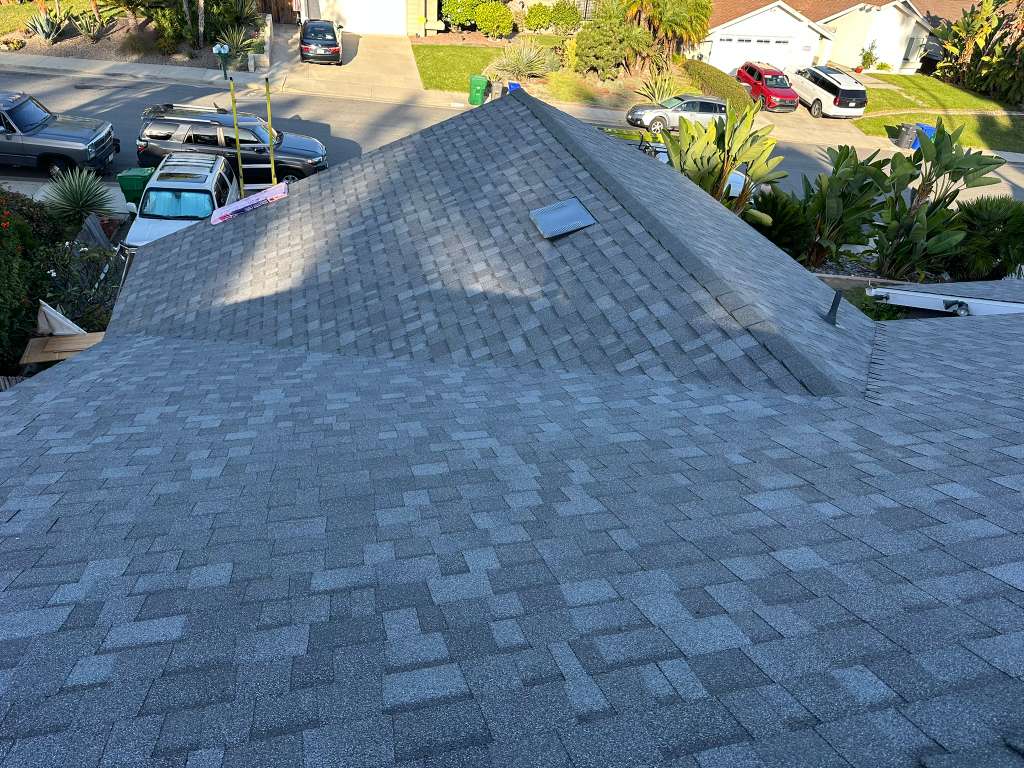
Roof Age and Life Expectancy can help homeowners plan, but no roof reaches a guaranteed replacement date. Asphalt shingles, tile, metal, and membrane systems all have different expected service periods. An older roof with strong maintenance history may remain in usable condition. A newer roof with installation problems, storm damage, poor ventilation, or repeated leaks may need attention much sooner.
Instead of replacing a roof only because it has reached a certain age, look at its current condition. Age becomes more useful when you consider it alongside visible wear and repair history.
Inspection Warning Signs
What Homeowners Can Notice Before Calling a Roofer
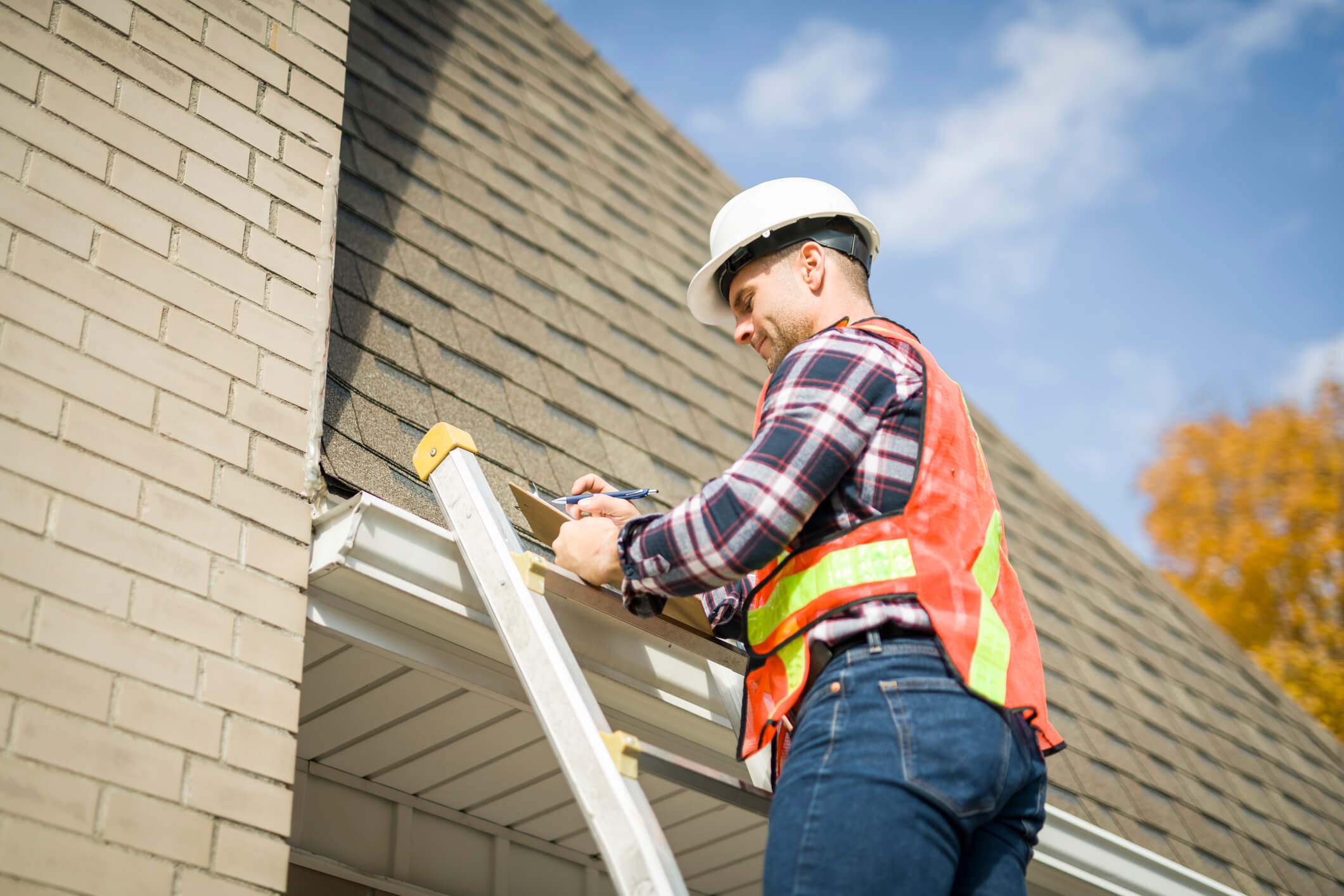
You do not need roofing experience to spot changes around your home. Walk around the property and look from the ground for missing materials, uneven roof lines, damaged flashing, stains, or pieces of roofing material in the yard.
Check the attic or upper interior areas only if you can do so safely. Look for visible moisture, damp insulation, daylight through the roof deck, or signs that water has entered the space.
These observations do not diagnose the roof. They simply give you useful information to share with a roofing professional.

Repair or Replacement
When a Repair Stops Making Sense
A repair can work well when the damage stays in one area, and the surrounding roofing system remains in good condition. Replacing a few damaged materials may solve the problem without requiring a full project.
Replacement becomes more likely when the roof has widespread deterioration, repeated leaks, major storm damage, sagging, or extensive damage beneath the visible surface.
Roof Replacement Warning Signs should be considered together rather than separately. A professional assessment can help determine whether the roof still has enough usable life to justify another repair.
San Diego Roofing Factors
Local Conditions Can Affect When Replacement Makes Sense
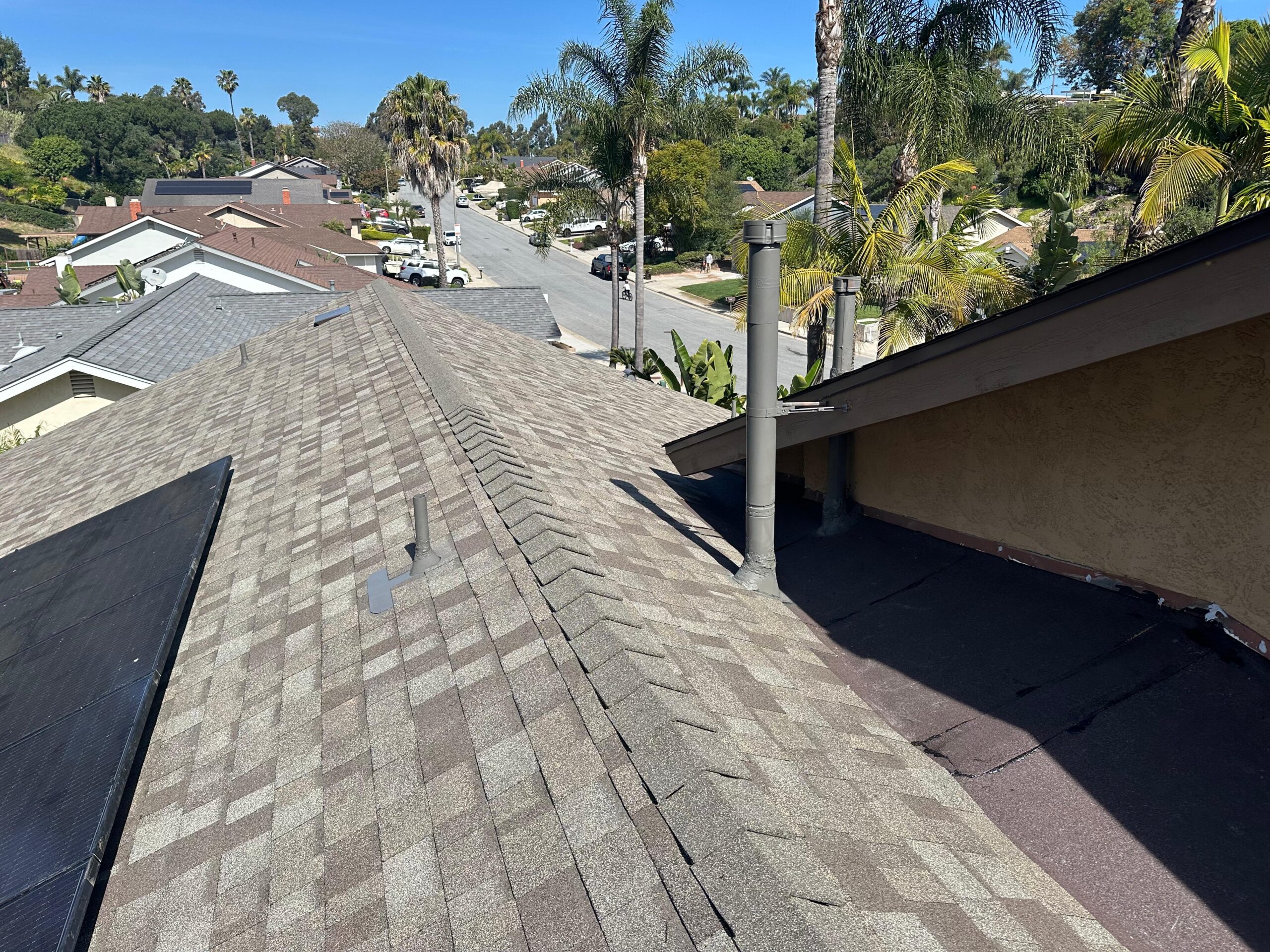
San Diego roofs face strong sunlight, seasonal rain, wind, and different conditions based on location. Coastal properties may also experience salty air and moisture, while inland homes can receive more intense heat.
These conditions can affect exposed roofing materials, flashing, coatings, and other roof components over time. When to Replace Your Roof in San Diego depends partly on these local exposures, but the roof’s actual condition remains the most important factor.
Material type also matters. A tile roof, shingle roof, metal roof, and low slope membrane system can show different signs of aging.
Roofing Tip
Look at the Pattern, Not Just One Problem
One cracked shingle or isolated leak does not automatically mean you need a new roof. Several recurring problems tell a different story.
Pay attention to patterns: repeated leaks, widespread material wear, frequent repairs, aging components, and visible changes in the roof line.
A professional inspection can help separate a repairable problem from a roof that has reached the point where replacement makes more sense.
Get in Touch
Contact Us When Your Roof Shows Repeated Warning Signs
You do not have to wait for major interior damage before asking about your roof. Mo’s Roofing can review visible concerns, assess the roofing system, and explain whether repair or replacement may fit the property’s condition.
FAQs
Frequently Asked Questions
How many roof problems mean I need a new roof?
There is no fixed number. Several problems occurring together can point toward replacement, especially when the roof also has significant age, widespread wear, or a history of repeated repairs.
Can a roof look fine from the ground but still need replacement?
Yes. Some problems occur beneath the visible roofing surface or around flashing, vents, and other roof openings. A professional inspection can identify issues that are difficult to see from the ground.
Does a roof leak always mean replacement?
No. A leak can come from a localized issue such as damaged flashing or a small damaged area. The surrounding roof condition determines whether repair or replacement makes more sense.
What does a sagging roof indicate?
Sagging can point to structural or moisture-related concerns and deserves prompt professional attention. Homeowners should avoid climbing onto an affected area until a professional assesses it.
Should I replace my roof based only on its age?
No. Age provides useful context, but material condition, installation quality, maintenance, weather exposure, and repair history also affect the replacement decision.
What is the first step if I notice several warning signs?
Schedule a professional roof inspection. The roofer can assess the visible materials and related roof components, then explain whether targeted repairs or replacement better fit the current condition.