
Roof Ventilation Services
Roof Ventilation San Diego For Better Attic Air Flow
Trapped attic heat can place added stress on your roofing system. Our roof ventilation San Diego service helps warm air leave the attic. We check existing vents and roof needs before planning changes that support steady airflow inside your attic space.
Roof Ventilation Services
Help Your Attic Release Trapped Heat And Moisture
Roof vents help move warm and damp air from attic spaces. Without enough airflow, heat can stay trapped for long periods. Moisture may also collect when indoor air reaches a poorly vented attic. Both issues can affect roofing parts over time.
Our attic ventilation installation starts with the current roof and attic setup. We check existing vents and look for areas with poor air movement. Roof shape also matters because each home may need a different vent layout.
Good airflow needs both intake and exit points to work well. Fresh air can enter lower areas while warm air leaves higher points. A balanced setup supports steady movement instead of relying on one vent alone.
After the check, we explain which vent changes may help your home. We base that advice on actual roof needs and existing air paths.
Signs Your Attic May Need Better Ventilation
Heat And Moisture Can Point To Poor Air Flow
Poor attic airflow may not cause one clear warning sign. Instead, several small issues can appear as heat and moisture remain trapped. Checking the attic and roof together can help find vent problems before they add more stress to roofing parts.
Common signs may include:
- Attic spaces staying very hot during warm daytime hours
- Moisture or damp areas appearing inside the attic space
- Roof vents blocked by dirt or other loose material
- Indoor rooms feeling warmer near the upper home level
- Roofing parts showing early wear near poorly vented areas
These signs can have more than one cause inside a home. For that reason, adding vents without checking the current setup may not help. We review existing air paths first, then explain what changes may support better attic air movement.
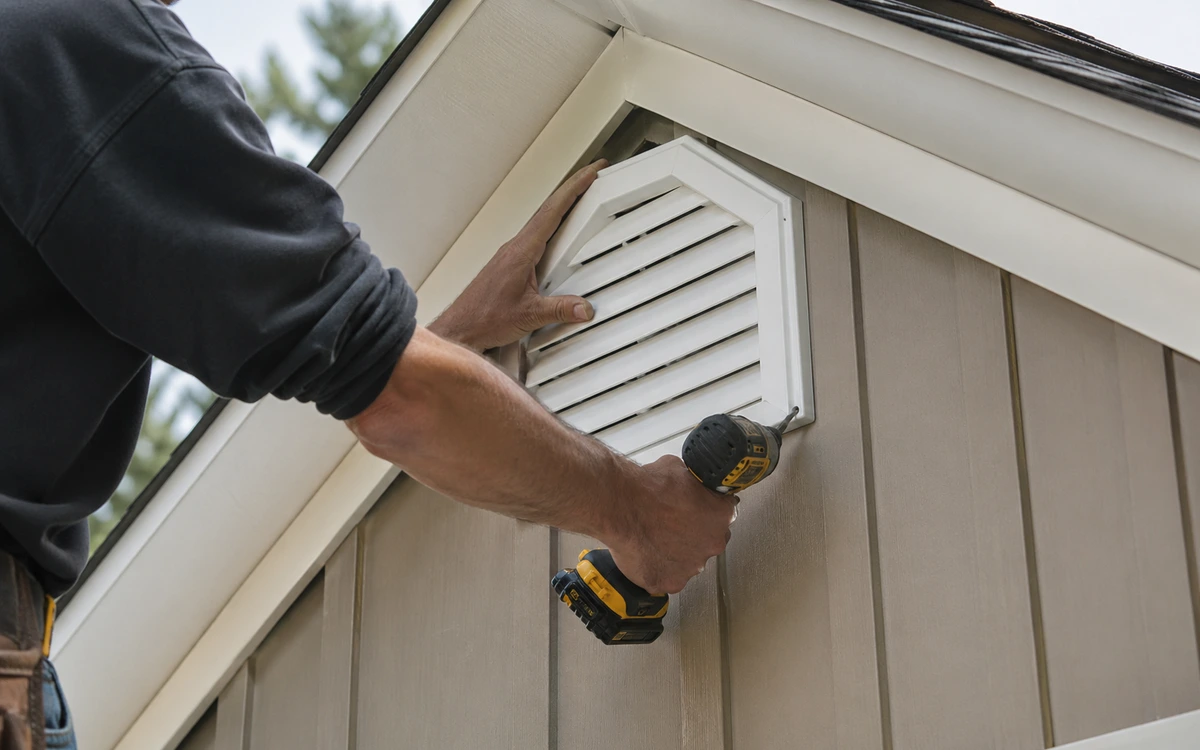
Our Roof Vent Work Process
Balanced Air Flow Starts With A Full Check
We first review existing vents and the roof areas they serve. Then, we look for blocked openings and signs of poor air movement. Roof shape and attic space also help us understand how air currently enters and leaves the home.
Next, we decide whether existing vents need repair or added openings. A damaged vent may allow water inside or limit proper airflow. Our roof vent repair work focuses on the failed area while keeping the rest of the vent system in mind.When new vents make sense, we plan their placement with care. We fit the selected vents and check nearby roofing materials afterward. The final check helps confirm that vent openings remain clear and roof areas near them stay properly covered.
Soffit Vents And Attic Air Intake
Fresh Air Should Enter From Lower Roof Areas
Soffit vents can bring outside air into the lower attic area. That intake can work with higher roof vents to move warm air out. Without enough intake, upper vents may struggle to create steady movement through the attic space.
Our soffit vent installation San Diego service starts with checking existing intake points. We look for blocked openings and areas where more intake may help. The roof and attic layout guide how many vents may fit the home.
Insulation can sometimes block soffit openings from inside the attic. When that happens, air cannot enter as planned. We check for these limits while reviewing the system, since adding an outside vent alone may not solve blocked attic airflow.
Better Attic Air Flow In San Diego Homes
Hot Sunny Days Can Raise Attic Temperatures Fast
San Diego homes can face long periods of warm and sunny weather. Heat from the roof can build up inside attic spaces during those days. Good vent placement helps warm air leave while lower vents bring fresh air into the attic.
Homeowners looking to improve attic airflow and roofing should consider the full vent path. Adding one vent may not fix an uneven setup. Intake and exit points need to work together, while insulation should not block the openings that bring air inside.
Ventilation also works with other parts of the home as one system. Roof type, attic size, and existing vents all affect air movement. We review those details before suggesting changes, which helps keep the vent plan tied to your actual home.
Contact Us
Give Trapped Attic Heat A Better Way Out
Poor attic airflow can place added stress on roofing parts. Mo’s Professional Roofing can check existing vents and discuss needed changes. For roof ventilation in San Diego based on your roof and attic setup, schedule a ventilation check with our team today.
Ridge Vent Installation
Let Warm Attic Air Leave Near The Roof Peak
A ridge vent sits near the highest point of many sloped roofs. Warm attic air naturally rises, making this area useful for air exit. Ridge vent installation cost depends on roof size, current materials, access, and the amount of work required.
A ridge vent also needs enough intake air from lower areas. Without that intake, the vent may not move attic air as planned. We check the full vent setup instead of treating the roof peak as the only part that matters.
Roof shape can also affect whether a ridge vent fits well. Some roofs may need another vent type or layout. We review these details before suggesting changes, so the vent plan matches the actual roof rather than a standard setup.
FAQs
Frequently Asked Questions
How Can I Tell If My Attic Has Enough Ventilation?
Attic heat and moisture can offer clues about poor air movement. However, these signs may also have other causes inside your home. A vent check can review intake and exit points, blocked openings, and the current roof setup before changes are suggested.
Do Ridge Vents Work Without Soffit Vents?
Ridge vents need a source of intake air to work well. Soffit vents often provide that lower intake on suitable homes. Other intake methods may work on some roofs, so the full vent setup should guide the choice instead of one vent type.
Can More Roof Vents Make My Attic Cooler?
More vents do not always mean better airflow. Poor placement can leave some attic areas with weak movement. A balanced plan should consider intake, exit points, roof shape, and attic size before adding more openings to an existing system.
Can A Damaged Roof Vent Cause Water Leaks?
Yes, damaged vent parts or nearby roofing can allow rain inside. Worn flashing near a vent may also create a water path. We check the vent and nearby roof area together, since the visible leak may start beside the vent itself.
Can Insulation Block My Soffit Vents?
Yes, insulation can cover soffit openings inside some attic spaces. Blocked vents limit fresh air entering through those lower intake points. A ventilation check can identify blocked areas and show whether the current intake path needs attention before adding new vents.