Flat Roof San Diego
Flat Roof Repair San Diego Homes Can Count On
Flat roofs need careful attention because water moves differently than it does on sloped roofs. Mo’s Roofing repairs, installs, and replaces flat roofing systems while checking drainage, surface condition, seams, and other areas that affect roof performance.
About Flat Roofing
A Practical Roofing Choice for Low Slope Properties
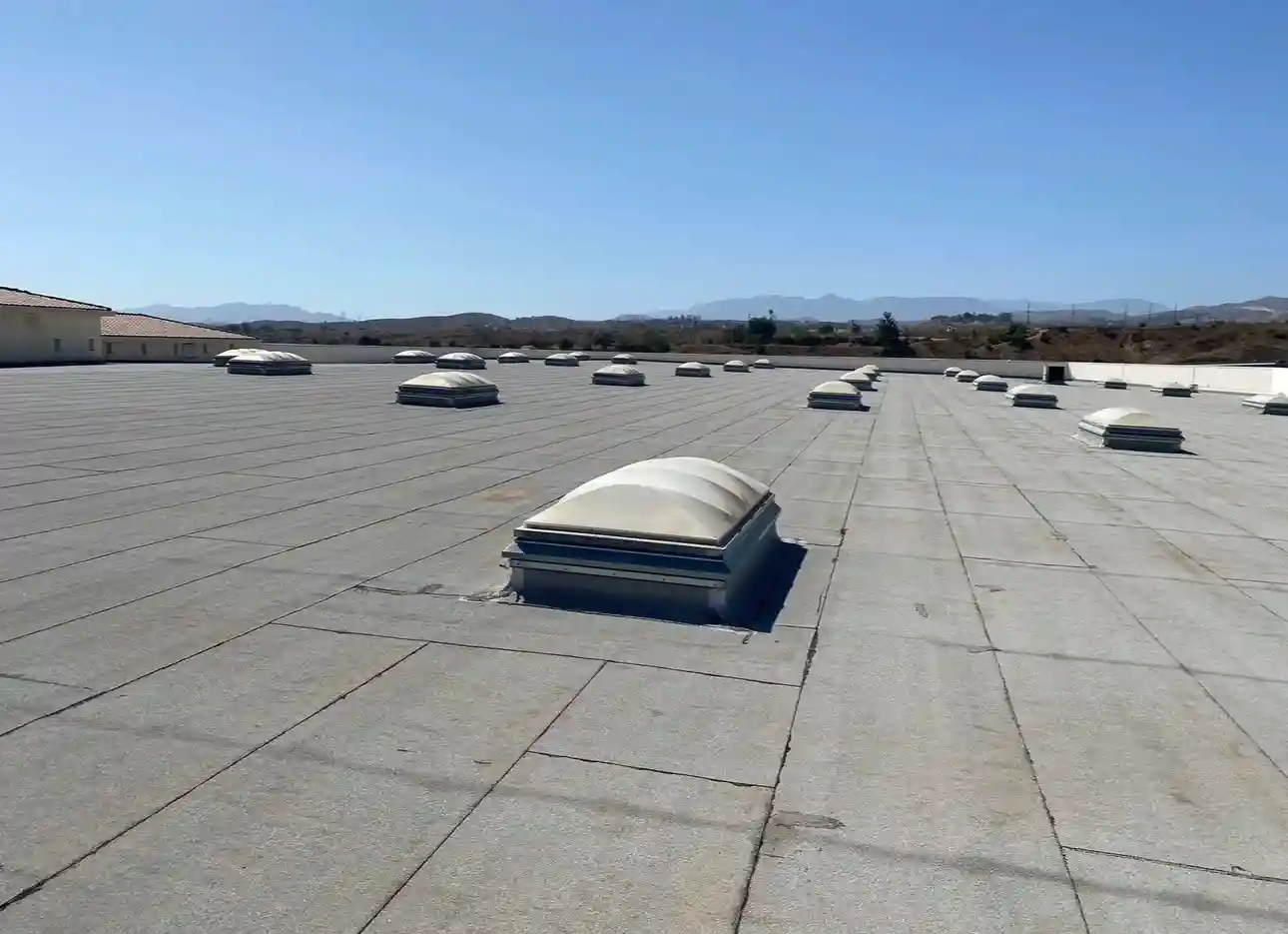
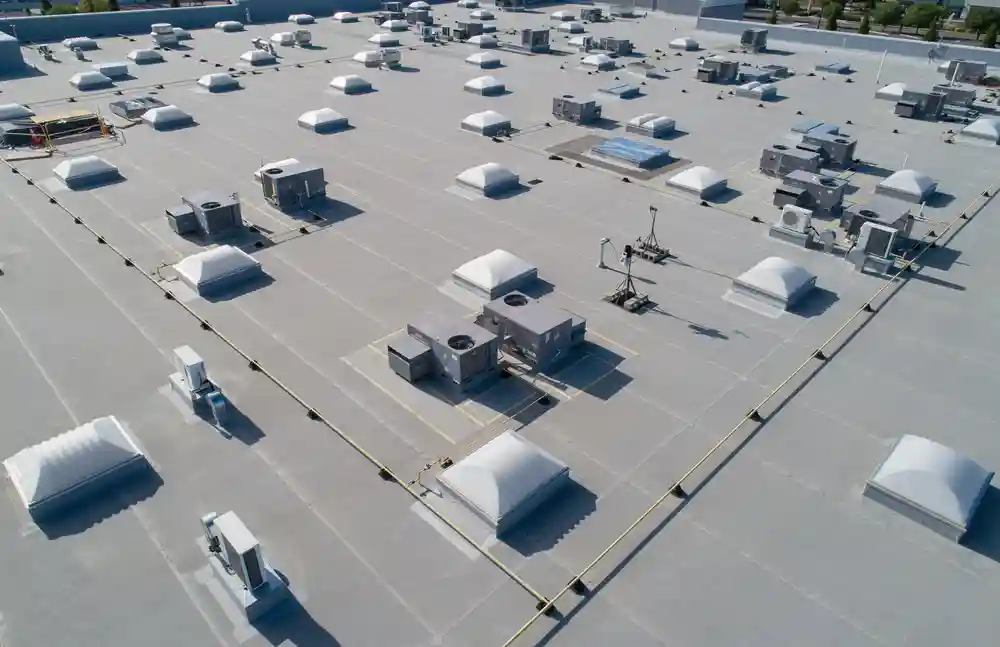
Flat roofs give certain homes and buildings a clean profile while creating useful space for equipment and other roof needs. Their low slope also calls for careful drainage and proper surface installation to help control standing water.
San Diego properties use several flat roofing systems, including modified bitumen, single-ply membranes, and coated roof surfaces. Each option has different installation needs, repair methods, and expected service life.
The right system depends on the building, roof condition, drainage, existing material, and project goals. Mo’s Roofing reviews these details before recommending work for your property.
Flat Roof Options
Flat Roofing Systems Built for Different Property Needs
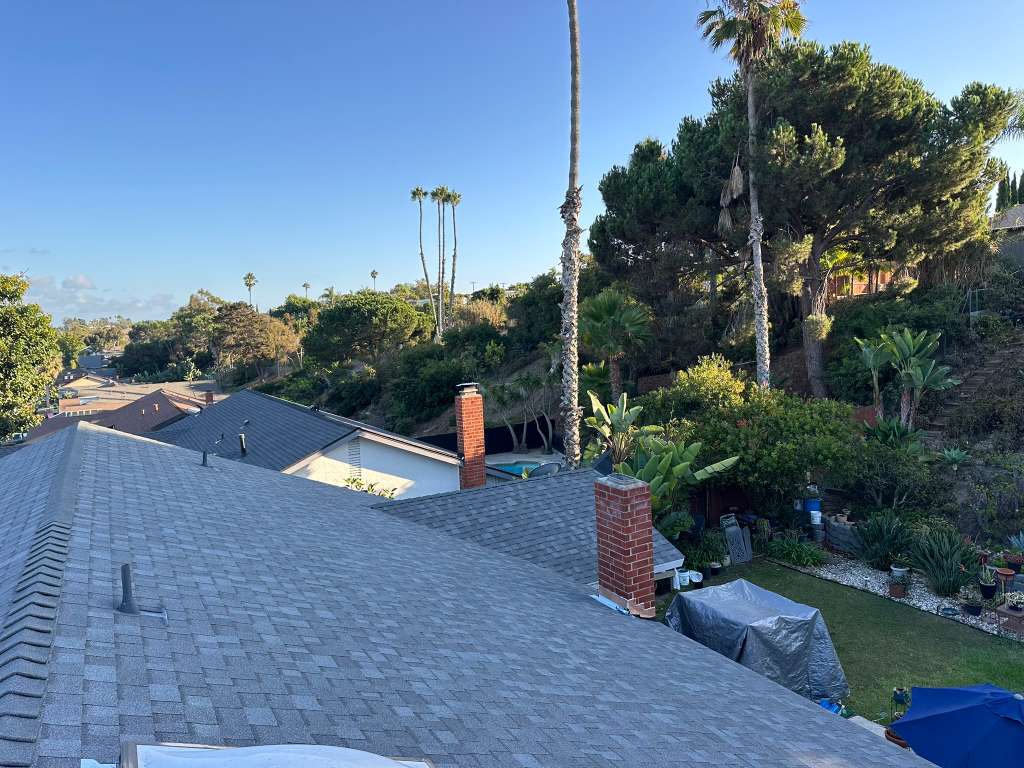
Not every flat roof uses the same material. The existing system, building type, drainage setup, and roof condition can affect which option makes sense.
Modified Bitumen
A layered roofing system that works well for many low-slope residential and commercial properties.
Single Ply Membrane
A flexible membrane system that creates a continuous roof surface over suitable low-slope structures.
Silicone Coating
A coating option that can help protect an existing roof surface when the underlying system remains suitable.
Coated Roof Systems
Roof coatings can add another protective layer when the roof surface meets requirements for coating work.
Key Benefits
Why Flat Roofing Makes Sense for Certain Buildings
Flat roofing can offer practical advantages when the property and structure suit a low slope system. Flat Roof Installation Cost San Diego projects can vary based on roof size, material, access, drainage, removal work, and the condition of the existing surface.
- Clean low slope appearance
- Useful roof space for equipment
- Several material choices
- Repair options for limited damage
- Coating choices for suitable surfaces
Good drainage remains important because low slope roofs need a planned path for water to leave the surface.
Flat Roof Problems
Small Surface Problems Can Point to Bigger Roof Issues
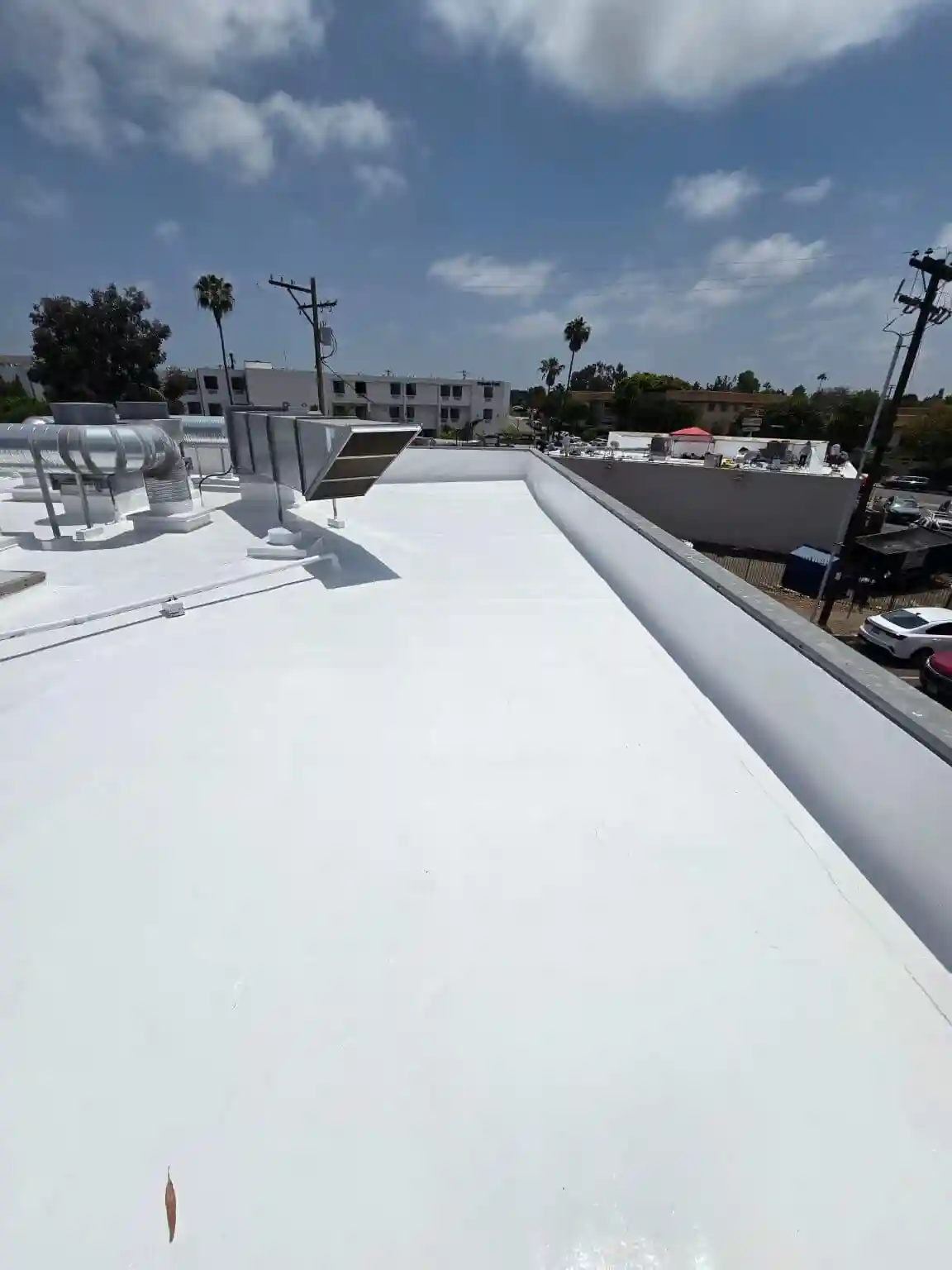
Flat roofs can develop problems around seams, drains, flashing, penetrations, and worn surface areas. Water may remain on the roof when drainage cannot move it away properly. That makes regular attention important when the roof shows changes.
Flat Roof Leak Repair Near Me searches often start after a ceiling stain, water mark, or visible roof problem. Finding the source matters because the visible interior damage may sit away from the actual entry point.
Our team checks the affected area and surrounding roof details before recommending repair work. This helps separate a small repair from a larger roof concern.
Roofing Material Process
A Careful Process for Flat Roof Work
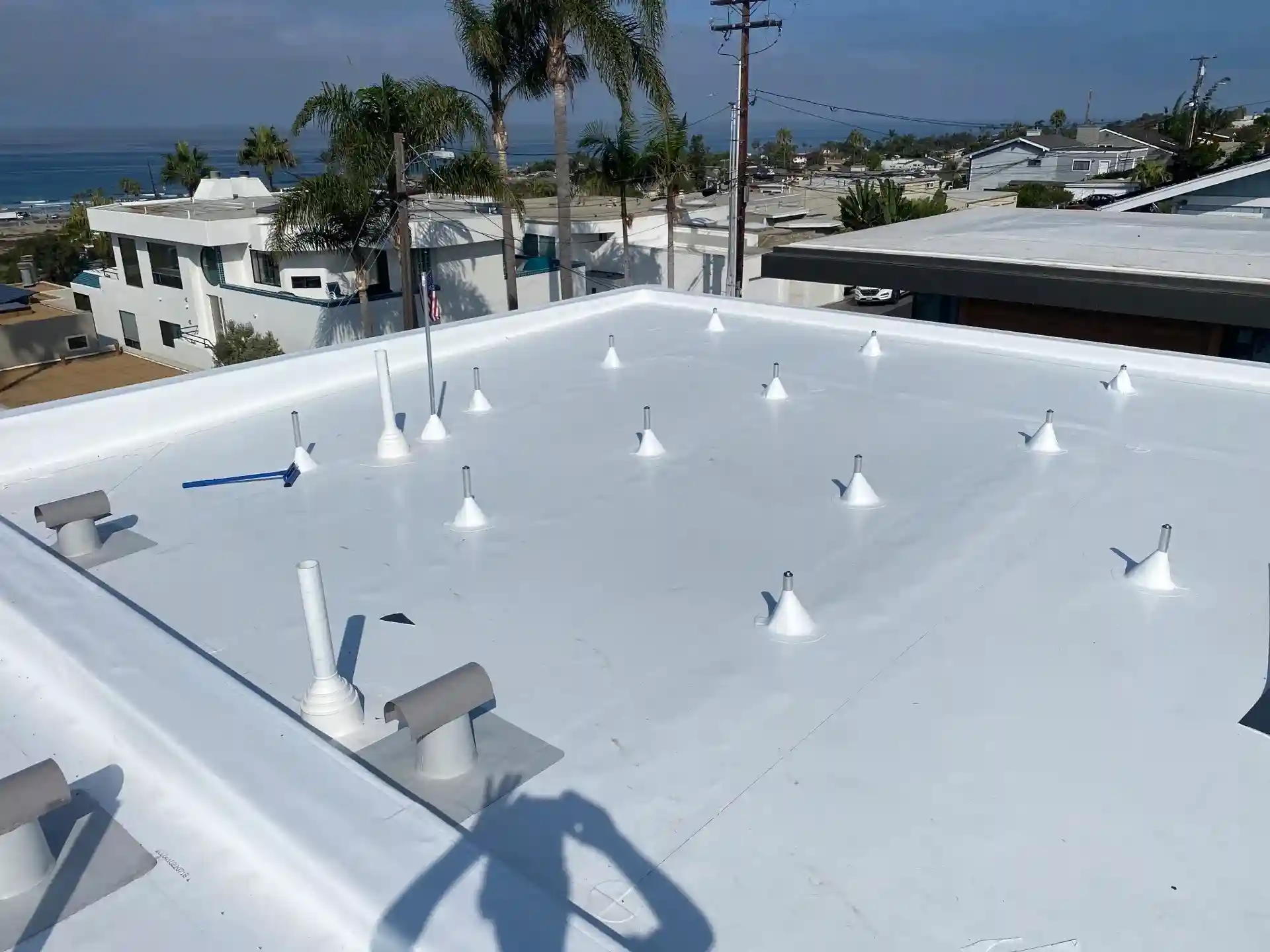
Flat roofing requires attention to the surface, drainage, seams, and roof details. We keep each step clear so homeowners understand what happens before the work moves forward.
Step 1: Roof Check
We review the roof surface and identify areas that need attention.
Step 2: Drainage Review
We check drains and water paths for visible concerns.
Step 3: Roof Work
We repair, install, or replace the roofing system as needed.
Step 4: Final Check
We review the finished work and inspect key roof details.
Repair or Replacement
Know When Your Flat Roof Needs More Than Repair
Some flat roof problems stay limited to one area. Others involve worn membranes, repeated leaks, damaged surfaces, or drainage concerns that affect larger portions of the roof.
Flat Roof Replacement San Diego projects may make more sense when the existing system has extensive wear or repeated repair needs. A replacement decision should consider roof age, material condition, previous repairs, drainage, and the extent of current damage.
When the roof remains suitable, focused repairs or a coating may offer another option. Mo’s Roofing reviews the existing system before recommending the next step.
CTA: Get a Free Estimate
Why Choose Our Flat Roofing Service
Flat Roof Work That Starts With the Roof Itself
Flat roofing needs more than surface work. Drainage, seams, flashing, penetrations, and existing materials all matter. Mo’s Roofing keeps these details in view when planning your project.
- Flat Roof Experience: We work with the details that matter on low-slope roofing systems.
- Condition-Based Advice: We base recommendations on what the roof actually needs.
- Clear Project Information: We explain the work, material choices, and important project details.
- Repair and Replacement Support: We can discuss repair, coating, or replacement when the roof condition calls for it.
- Attention to Drainage: We consider water paths and visible drainage concerns during roof assessment.
- Practical Planning: We account for roof access, existing materials, surface condition, and project scope.
FAQs
Frequently Asked Questions
Why do flat roofs need good drainage?
Low-slope roofs move water more slowly than steep roofs. Drains, scuppers, and planned water paths help move rain away from the roof surface.
How can I tell if my flat roof has a leak?
Interior stains, damp areas, peeling finishes, or water near ceiling fixtures can point to roof water entry. The visible mark may not sit directly below the leak source.
Can a flat roof receive a new coating?
Sometimes. The existing roof surface must be in suitable condition and prepared for coating work. Moisture, damage, and material type all affect whether coating makes sense.
What affects the cost of replacing a flat roof?
Roof size, existing material, surface condition, access, drainage details, removal work, and the new roofing system can all affect the final project cost.
Can you repair a flat roof without replacing it?
Yes, when the damage stays limited and the existing system remains suitable. The repair method depends on the roof material, damage location, and surrounding condition.
How often should I check a flat roof?
Regular checks can help identify drainage concerns, surface wear, damaged flashing, and other changes. The right schedule depends on the roof’s age, material, and condition.