
Halloween Roof Decorations: 7 Mistakes That Could Damage Your San Diego Home
A giant ghost on the roof might impress your neighbors this Halloween. However, the wrong attachment could leave expensive damage behind. Nails can puncture shingles, large displays can strain roof edges, and artificial spiderwebs can restrict drainage. San Diego also faces rain during Halloween weekend 2026, making these concerns especially timely.
Before installing Halloween roof decorations, learn which choices put your home at risk. These seven mistakes explain how damage happens and what safer decorating choices homeowners can make.
Why Halloween Decorations Can Be Risky for San Diego Roofs
San Diego homes have different roofing materials, and each responds differently to added pressure. Asphalt shingles can suffer punctures and surface damage. Clay and concrete tiles may crack under foot traffic, while flat roof membranes require protection from sharp objects. One decorating method will not suit every roofing system.
The local weather adds another concern. Rain is forecast for Halloween night and Sunday morning in San Diego. Water can reveal weak roof areas that remained unnoticed during dry weather. Decorations should never obstruct drainage or cover parts of the roof that need attention.
Homeowners in coastal communities must also consider wind exposure. A large inflatable can catch moving air and pull against its anchors. Even when a decoration feels secure during installation, changing conditions can place greater force on its attachment points.
Mistake 1: Using Nails or Staples to Attach Halloween Lights
A line of orange lights looks simple enough to hang. Some homeowners use a staple gun because it holds wires firmly against wood or roof edges. However, fasteners can puncture shingles, flashing, or fascia boards. Those small openings may become entry points for rainwater.
How Small Holes Can Lead to Roof Damage
Roofing materials depend on overlapping layers and properly sealed joints to keep water out. When a nail passes through a protective surface, it creates an unintended opening. Moisture may reach the material beneath, especially when rainwater repeatedly follows the same path.
Staples present another problem when they press directly against light cords. A misplaced staple can damage the wire’s protective covering. Therefore, this installation method can create both roofing and electrical concerns, even when the lights initially appear secure.
A safer choice is to use suitable plastic clips on sound gutters or approved trim locations. Check that the mounting surface can support the small added load. Never force clips beneath shingles or attach anything to loose roof materials.
If decorations have already punctured the roof, removing the fasteners does not necessarily correct the problem. The affected area may need professional attention. A proper roof repair in San Diego should address the actual opening rather than simply hide it beneath household tape.
Mistake 2: Putting Large Halloween Inflatables on the Roof
An oversized pumpkin or floating ghost makes an eye-catching Halloween display. Unfortunately, rooftops are poor locations for large inflatables. Their fabric surfaces catch wind, while ropes and anchors transfer pulling forces to nearby materials. The risk involves much more than the decoration’s weight.
Why Wind Can Damage More Than the Decoration
Consider a large inflatable secured near the edge of an asphalt shingle roof. As wind changes direction, the decoration can tug repeatedly against its attachments. Those movements may loosen shingles, damage trim, or place pressure on gutters that were never intended to hold the display.
The inflatable can also shift across the roofing surface. Repeated contact may wear protective granules from asphalt shingles or damage exposed materials. A decoration that stays in position during calm weather may behave differently during stronger gusts.
Placing heavy objects on a roof creates other concerns. A large decorative figure can place weight on a limited area, particularly when supported by a narrow base. Homeowners usually cannot assess the condition of the underlying roof from the outside.
The safer alternative is a ground-level display. Choose a suitable lawn or yard location and follow the manufacturer’s anchoring instructions. Keep the decoration away from overhead electrical lines and areas where it could block pathways or drainage.
Mistake 3: Walking Across Clay or Concrete Roof Tiles
Clay and concrete tile roofs are common features of Southern California homes. Their finished surfaces can appear strong enough for regular foot traffic. However, individual tiles can crack when pressure is applied incorrectly. Walking across them to position Halloween decorations adds a risk that homeowners often underestimate.
A Broken Tile May Not Be Easy to Spot
Roof tiles shed rainwater and protect the materials beneath them. When a tile cracks, water may reach the underlying roof layers more readily. Depending on the roof’s condition, this can contribute to early wear or moisture problems over time.
Damage is not always obvious from the street. A hairline crack might remain hidden beneath another tile or near an overlapping edge. The homeowner may only discover the problem after rain or during a later inspection.
There is also a serious personal safety concern. Sloped roof surfaces, loose materials, and morning moisture can increase the risk of slipping. Trying to avoid one fragile tile while standing on another can make the situation worse.
Homeowners should not climb onto a tile roof to install decorations. Use suitable displays that remain accessible from the ground. If the roof needs attention, contact a trained roofing professional who understands the material and appropriate access methods.
Mistake 4: Covering Gutters and Drains With Artificial Spiderwebs
Fake spiderwebs are among the easiest Halloween decorations to spread across a house. Their thin strands can cover shrubs, railings, and porch corners within minutes. Problems begin when those strands reach the gutters, downspouts, or roof drainage outlets.
How Decorative Webs Can Interrupt Rainwater Flow
Gutters collect water from the roof and guide it toward downspouts. Artificial webs can catch dry leaves, twigs, and other debris near these openings. As debris builds up, water may have trouble entering or moving through the drainage system.
During rainfall, restricted gutters can overflow near the roof edge. Water may then run against fascia boards, siding, or other exterior surfaces. A blockage does not automatically mean the roof is leaking, but repeated overflow can create damage that needs attention.
The risk is especially relevant for Halloween 2026 because wet weather is forecast for San Diego. Decorations placed near a gutter opening could remain unnoticed until rain begins. Homeowners should avoid waiting for visible overflow before removing obstructions.
A safer option is to place artificial cobwebs on accessible porch railings or yard displays. Keep strands away from drainage channels and secure them without damaging building materials. Also avoid leaving loose synthetic webbing where wind can carry it onto the roof.
If a gutter has become loose or water spills behind it, the problem may require more than cleaning. Mo’s Professional Roofing offers gutter installation and repair in San Diego for damaged sections and drainage concerns.
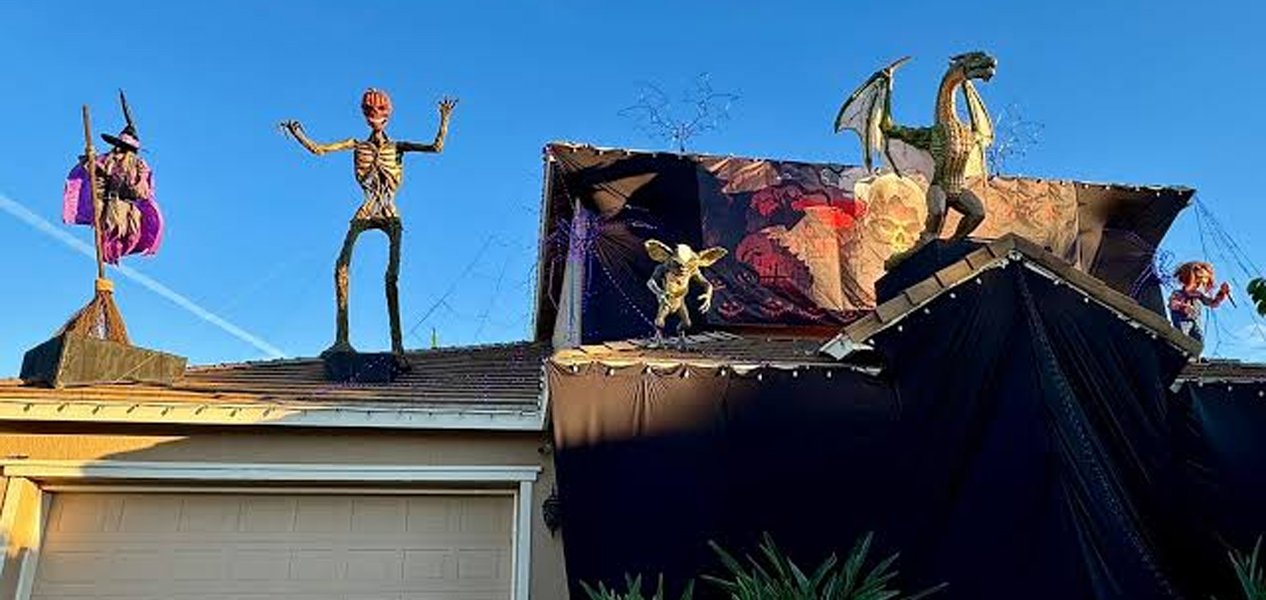
Mistake 5: Attaching Halloween Decorations to Roof Vents and Flashing
A rooftop vent may look like a convenient place to tie a decoration. However, these components serve important purposes beyond supporting the roof surface. Vents allow airflow, while flashing helps prevent water from entering vulnerable joints. Neither should be treated as an attachment point for Halloween props.
Why Flat Roofs Need Special Attention
Many San Diego properties have flat or low-slope roofing systems. These roofs often feature waterproof membranes, drainage outlets, and rooftop equipment. A sharp decoration base can damage the membrane. Heavy objects may also place pressure on seams or protective coatings.
Homeowners should avoid securing skeletons, banners, or hanging figures to roof vents. Decorations must never cover ventilation openings or interfere with drainage. Mo’s Professional Roofing provides flat roofing services in San Diego for properties with these systems.
Choose a suitable ground display or another location approved for decorative attachments. If an existing rooftop fixture appears loose, leave it untouched. A roofing professional can assess the component without creating further damage.
Mistake 6: Running Unsafe Electrical Cords Along the Roofline
Halloween lighting often involves several cords running between outlets and decorations. Problems arise when homeowners use indoor extension cords outside or place wiring against sharp roof edges. Rain can increase electrical hazards when damaged connections become wet. These risks require attention separate from the roof’s waterproofing.
Electrical Problems Can Begin at the Roof Edge
A cord pinched beneath a window or pressed against metal flashing can lose its protective covering. Exposed wiring creates a potential shock or fire hazard. Loose cables can also move during windy weather, placing strain on plugs and nearby decorative fixtures.
Use lights and extension cords specifically rated for outdoor conditions. Connect electrical decorations through appropriate ground-fault circuit interrupter protection. Check cords for damaged insulation, broken connectors, and signs of overheating before use. Never attempt to repair exposed wiring with ordinary tape.
Keep electrical connections away from standing water and vulnerable roof areas. Avoid joining multiple extension cords or exceeding the manufacturer’s electrical load limits. If a cord becomes damaged, stop using it and disconnect power safely before handling the equipment.
Mistake 7: Pulling Down Halloween Decorations Without Care
Halloween ends, but decoration removal can create another roofing problem. A homeowner might grab one end of a light strand and pull everything down together. That force can loosen gutter clips, bend metal edges, or disturb roofing materials. What looks like a quick cleanup can create unnecessary repair work.
Remove Every Attachment Without Damaging the Surface
The safest removal method depends on the attachment and its location. Accessible decorations should be disconnected from power before removal. Clips should come off individually rather than being pulled loose through the connecting wire.
Never climb onto a wet roof to retrieve a fallen decoration. If an item becomes trapped near a vent or roof edge, leave it for someone with suitable equipment and training. Pulling from the ground can damage the surface even when the decoration appears loose.
Store reusable decorations only after checking their condition. Damaged cords and broken attachment pieces should not return to storage for another year. Taking care during removal also gives homeowners a chance to notice problems that developed during the display.
What Roof Damage Should You Check After Halloween?
Once the decorations come down, inspect accessible areas from the ground. Look for changes near the places where lights, props, or attachments were installed. Some problems become visible immediately, while others may appear after rain reaches a weak section.
Watch for these signs:
- Cracked or displaced roof tiles.
- Loose gutters or damaged roof trim.
- Missing shingles near decoration attachment points.
- Water marks appearing on ceilings.
- Damaged flashing near roof openings.
These signs do not prove that Halloween decorations caused the problem. However, they justify closer attention, especially when the damage appears after installation or removal. Take photographs from a safe location and record when you first noticed the change.
A new ceiling stain may indicate moisture entering through damaged roofing materials. Other causes are also possible. Mo’s Professional Roofing offers roof leak repair in San Diego to investigate suspected water entry and address the source.
Safer Halloween Decorating Ideas for San Diego Homes
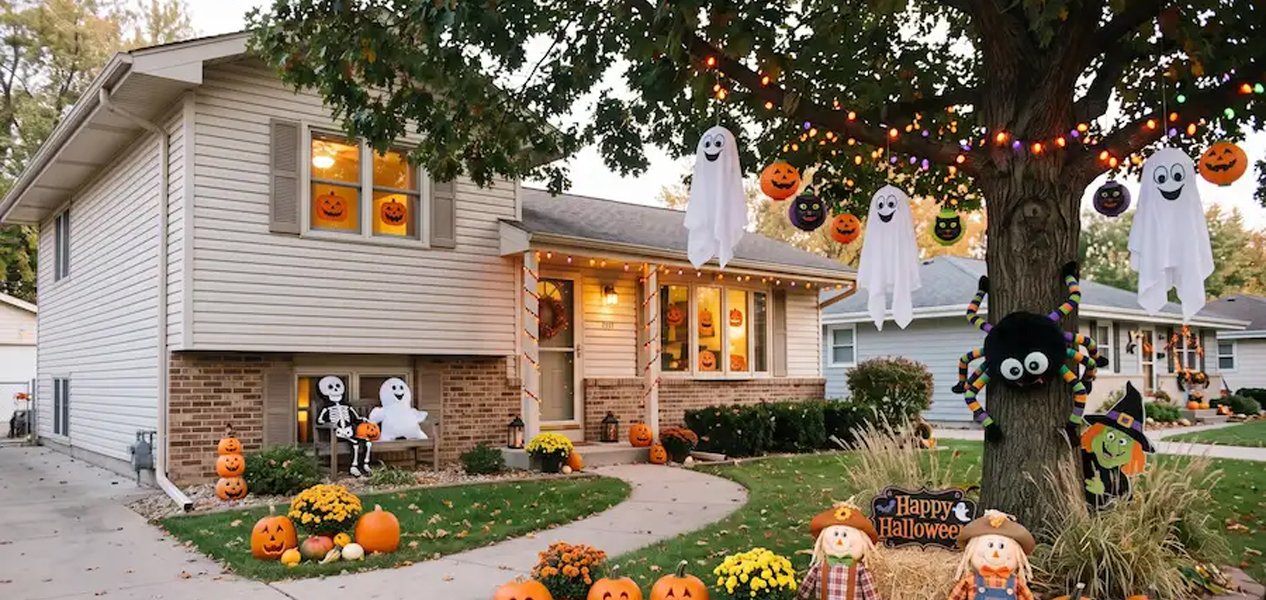
An impressive Halloween display does not need decorations attached to the roof. Ground-level projectors can cast moving shapes onto exterior walls. Outdoor lanterns, illuminated pumpkins, and suitable landscape lighting can create visual interest without adding weight to roofing materials.
Porch railings and accessible decorative structures provide other options when their materials can support attachments. Use approved clips and follow the manufacturer’s instructions. Keep decorations clear of vents, drains, electrical equipment, and emergency exits.
Choose decorations that can be installed and removed safely from accessible locations. For larger displays, consider a qualified installer rather than attempting difficult roof access. The finished arrangement should suit the property without relying on fragile roofing components for support.
When Should You Request a Professional Roof Inspection?
Not every misplaced decoration causes damage. However, punctured roofing materials, displaced tiles, or signs of moisture require proper assessment. A professional can examine the affected area and determine whether repairs are needed.
Mo’s Professional Roofing provides roof inspections in San Diego for residential roofing concerns. The inspection can cover surface materials, flashing, roof edges, and drainage points. Homeowners can then make repair decisions based on actual findings rather than assumptions.
Keep Halloween Decorations From Leaving Lasting Roof Damage
A memorable display should not leave behind damaged roofing materials or unwanted leaks. Mo’s Professional Roofing helps San Diego homeowners identify roofing concerns and determine suitable repair options.
If Halloween decorations have damaged your roof, contact Mo’s Professional Roofing to discuss an inspection. Share the roof type and visible warning signs so the team can assess your concerns.
Frequently Asked Questions
Can Halloween lights damage asphalt shingles?
Yes. Nails, staples, or unsuitable clips may puncture shingles or disturb their protective surface. Use approved attachment methods in suitable locations and avoid placing fasteners directly through roofing materials.
Are Halloween inflatables safe to place on a tile roof?
Rooftop inflatables are generally a poor choice. Their anchors and wind movement may damage roof components. A suitable ground location is safer for most large decorative displays.
Can artificial spiderwebs cause roof leaks?
Artificial webs can trap debris near gutters and drainage outlets. Blocked drainage may cause overflow, but it does not always create a roof leak. Keep webs away from water channels.
What should I do if I notice a cracked roof tile after Halloween?
Avoid walking onto the roof or attempting an uncertain repair. Take a photograph from a safe location and arrange an inspection to determine whether the tile needs replacement.
When should I call a roofer after removing Halloween decorations?
Contact a roofing professional if you notice damaged materials, loose flashing, displaced gutters, or new water stains. Active water entry warrants prompt attention, especially when more rain is expected.