
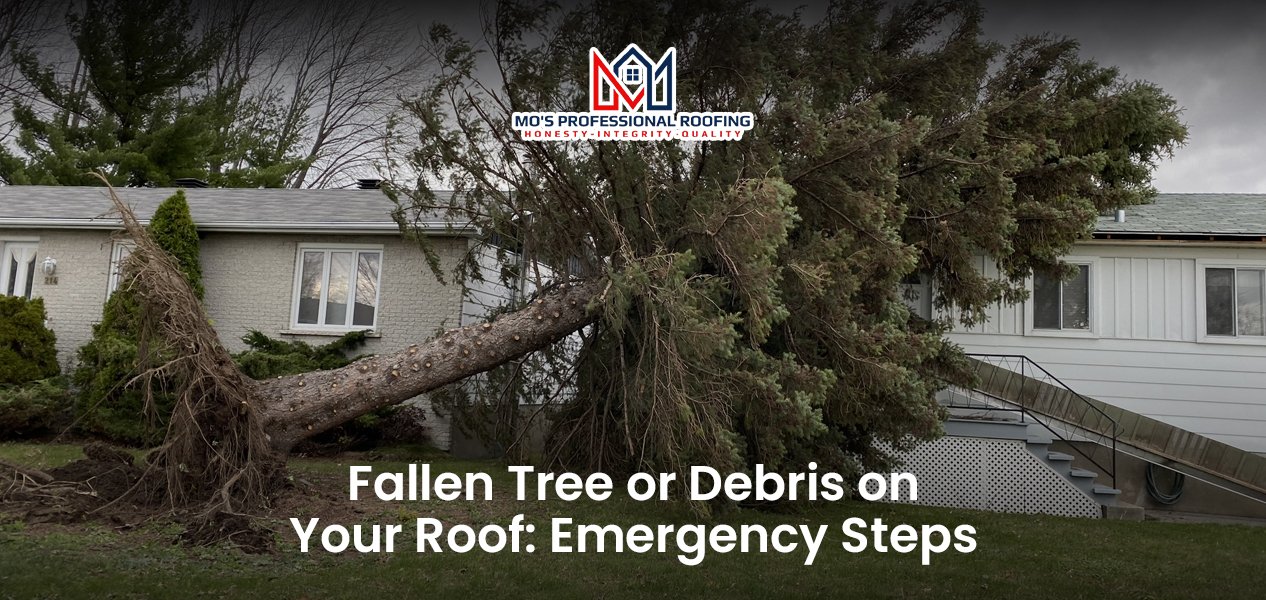
Fallen Tree or Debris on Your Roof: Emergency Steps
A tree striking your roof can turn a storm into a serious problem. Heavy branches may damage shingles, decking, framing, or electrical lines within seconds. The right response starts with safety, not roof repairs. These fallen tree on roof emergency steps explain what to check first, when to leave the home, and how professionals can control the damage safely.
Immediate Safety Precautions
The first priority is protecting everyone inside and around the home. A fallen tree can create hidden risks beyond visible roof damage. Broken framing may shift under added weight. Power lines or gas connections can also become affected during a major impact.
Do not walk beneath the damaged roof section or hanging branches. Keep children and pets away from the impact area. If the roofline looks uneven or ceiling material starts falling, move everyone farther away. The structure may need professional review before anyone returns.
Leave the Damaged Area if the Structure Looks Unstable
A large tree can place heavy pressure on roof framing. That added load may bend rafters or damage supporting members. Visible sagging should never be treated like simple shingle damage. Cracking sounds or falling ceiling pieces can also signal movement.
Leave through a route away from the damaged roof section. Avoid exits beneath broken branches or unstable roof edges. If a tree has crushed part of the structure, staying elsewhere may be safer. Wait for qualified professionals to confirm the affected area is stable.
If major roof damage is visible, an emergency roof repair service can help assess the affected roofing system. Emergency work often begins with safety checks before permanent repairs are planned.
Stay Away From Downed Power Lines
A fallen tree may pull electrical lines toward the roof. Never touch the tree when wires are involved. Branches and other wet materials may carry electrical current. Keep people well away from the entire area until utility crews confirm it is safe.
Do not move branches resting near electrical equipment either. Even a branch that looks harmless may still touch damaged wiring. Call emergency services or the utility provider when power lines are involved. Roof inspection should begin only after that hazard is cleared.
Watch for Gas Odors or Hissing Sounds
A strong impact can affect more than the roofing system. Damage may reach walls, appliances, or nearby utility lines. A gas smell or unusual hissing sound should be taken seriously. Leave the home and move to a safe location outside.
Do not switch lights or appliances on while leaving. Avoid anything that could create a spark indoors. Contact the proper emergency service from a safe location. Roofing work can wait until the immediate utility risk has been handled.
Assessing the Damage From the Ground
Once conditions are safe, begin with a ground-level check. Do not climb onto the roof to inspect the impact. A damaged roof may look stable while framing underneath has already shifted. Ground observations can still provide useful information for the roofing team.
Walk around the property from a safe distance. Look for visible holes, broken tiles, missing shingles, or damaged gutters. Check whether the roofline looks lower near the impact point. Large debris may also hide damage beneath the tree or branch.
Look for Roof Openings and Structural Changes
A fallen branch can puncture roofing materials without crushing the structure. A heavier trunk may create broader pressure and framing damage. These two problems require different repair plans. One creates an opening, while the other may affect roof support.
Watch for daylight through damaged roof areas from safe indoor spaces. Also check for bowed ceilings or visible cracks below the impact. These signs can point toward deeper problems. A professional roof inspection can confirm how far the damage extends.
Check Ceilings and Accessible Attic Areas
Indoor damage may appear before the roof can be examined closely. Look for fresh ceiling stains, dripping water, or damp drywall. A new crack near the impact area deserves attention. Wet insulation can also show that rain has already entered.
If the attic is safely accessible, check only stable walkways. Look for wet insulation or damaged roof decking above. Do not enter sections beneath sagging framing or heavy debris. A tree impact can weaken areas that appear normal from below.
Water entering after the impact may require roof leak repair once the structure has been stabilized. The leak source may sit beneath debris and remain hidden at first.
Photograph Damage From a Safe Distance
Take clear photos before cleanup begins when conditions allow. Record the tree position, roof opening, broken materials, and interior damage. Photos can preserve details that disappear once removal starts. They may also help explain the event during an insurance claim.
Photograph fallen roofing pieces on the ground as well. Include damaged gutters, skylights, and nearby walls when affected. Do not step into unstable areas just for better pictures. Safe documentation is more useful than a risky close view.
Why You Shouldn’t Remove the Tree Yourself
A tree resting on a roof may remain under tension. Cutting one branch can shift weight into another roof section. The trunk can also roll or settle unexpectedly. That movement may create new structural damage or cause unstable materials to fall.
This is why tree removal for roof safety matters so much. A branch that looks easy to move can weigh hundreds of pounds. The roof beneath it may already be weakened. Standard yard cleanup methods do not apply to a damaged structure.
Tree Weight Can Change During Removal
Large branches transfer their weight into several roof areas. Removing one section changes how the remaining weight is supported. That shift may put more pressure on damaged framing. A trained tree crew can reduce weight in a controlled sequence.
Roofing professionals may also need to inspect the structure first. Their assessment can show which areas should remain untouched. Tree removal and roof repair often work best when both teams coordinate. One removes the obstruction while the other protects the building.
Falling Debris Can Remain Dangerous
Damage does not always stop after the first impact. Broken branches may hang above the roof or yard. Loose tiles and gutters can also fall later. Wind may move damaged materials again before cleanup begins.
Keep people away from the ground below damaged roof edges. Avoid parking vehicles near hanging limbs or unstable debris. Even smaller materials can cause injury when falling from roof height. Professional cleanup reduces that risk while protecting the roof below.
What an Emergency Roofer Does First
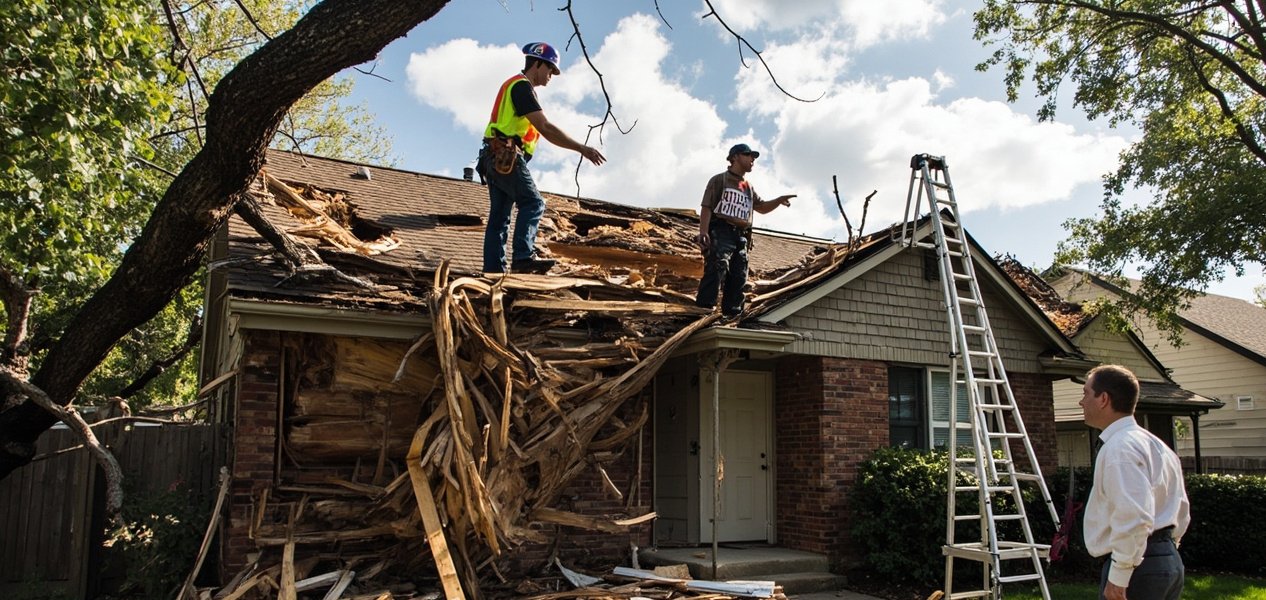
An emergency roofer does not begin by replacing shingles immediately. The first step is understanding whether the roof remains stable. The impact point, surrounding decking, and framing all need attention. Heavy tree damage may require more than a surface repair.
A roofer will usually check the visible impact area first. Nearby flashing, gutters, decking, and roof edges may also need review. If structural damage appears extensive, another building professional may be needed. The repair plan should match the actual damage found.
Coordinate Tree Removal When Needed
Large trees often need removal before the full roof is visible. The roofer and tree crew may coordinate that process together. This helps avoid unnecessary movement around unstable areas. It also allows exposed roof damage to be protected soon afterward.
Once the tree is removed, hidden damage becomes easier to inspect. Cracked decking or broken framing may appear beneath the impact. The roofing team can then determine whether focused repair is enough. Wider damage may require a larger repair plan.
Protect Open Areas From More Rain
Tree removal may leave a large opening behind. Temporary protection can help limit more water entry. This step is especially important when another storm is expected. A temporary cover should remain secure until permanent repairs begin.
Homeowners should not install that protection on an unstable roof. Professional placement is safer after major tree damage. The goal is controlling water without adding more structural stress. Permanent repair comes after the roof condition is fully understood.
Filing an Insurance Claim for Fallen Tree Damage
Once the area is safe, document the damage before major cleanup. Take clear photos of the tree position and roof impact. Include broken shingles, cracked tiles, damaged gutters, and interior water marks. These records can help explain what happened before removal changes the scene.
Keep invoices for tree removal, temporary protection, and roof work. Note the storm date and when you first noticed damage. If you plan to file a claim, contact your insurer soon. Coverage depends on your policy, the cause, and the damage involved.
A professional roofing report can also support your records. The roofer can describe visible roof damage and repair needs. They do not decide whether insurance covers the loss. Mo’s insurance claim roof repair service can help document roofing issues after a sudden event.
What Should You Photograph Before Tree Removal?
Start with wide photos showing the tree against the house. Then capture the impact point from a safe distance. Photograph roof openings, damaged walls, gutters, and nearby windows. Interior photos should include ceiling stains, wet drywall, and damaged belongings when they are safely accessible.
The condition of the fallen tree can also be useful. Photograph the broken trunk, roots, or large branches before removal. These images may preserve details that disappear during cleanup. Never enter an unstable area simply to collect more photos.
What if the Tree Came From a Neighbor’s Property?
Do not assume who must pay based only on ownership. The cause of the fall and policy terms can matter. Document the tree and damage before cleanup begins. Contact your insurer and let the claim process address responsibility.
Avoid arguments with neighbors while emergency work is underway. The immediate goal is making the property safe. Tree removal and roof protection should not be delayed by uncertainty. Keep written records of services and conversations related to the event.
Repair or Replacement After Tree Impact
A fallen tree does not automatically mean full roof replacement. Some impacts stay limited to one roof section. A few broken tiles or damaged shingles may be repairable. The surrounding decking and framing must also remain in suitable condition.
Larger impacts can change the repair plan completely. A heavy trunk may damage several roof layers at once. Broken decking or structural framing can require more extensive work. A professional roof repair service can help determine whether focused repairs remain practical.
Replacement may enter the discussion when damage covers wider areas. Existing roof age can also affect that decision. Materials may be difficult to match on older roofs. The final choice should follow inspection findings, not the size of the tree alone.
When broad damage makes repair less practical, review the available roof replacement service. The condition of undamaged sections still matters. A complete replacement should only be recommended when the roof condition supports it.
How to Reduce the Risk of Future Tree Damage
You cannot prevent every tree from falling during severe weather. However, regular property care can reduce avoidable risks. Dead branches and weak trees deserve attention before storm season begins. Roof maintenance also helps identify loose materials before wind creates larger problems.
Trim branches that hang directly over the roof when needed. Large tree work should be handled by qualified professionals. Watch for visible decay, leaning trunks, or broken limbs near the house. Trees showing major weakness may need further review before another storm.
Your roof also needs regular attention between weather events. Loose flashing, damaged tiles, and worn shingles can become weaker during storms. Scheduling roof maintenance can help catch these problems before severe weather exposes them further.
A planned roof inspection is especially useful before storm season. It can identify damaged materials and vulnerable roof areas. Homeowners can also review these roof checks before guests arrive for simple signs around ceilings, gutters, and visible roof areas.
Get Emergency Roof Help After Tree or Debris Damage
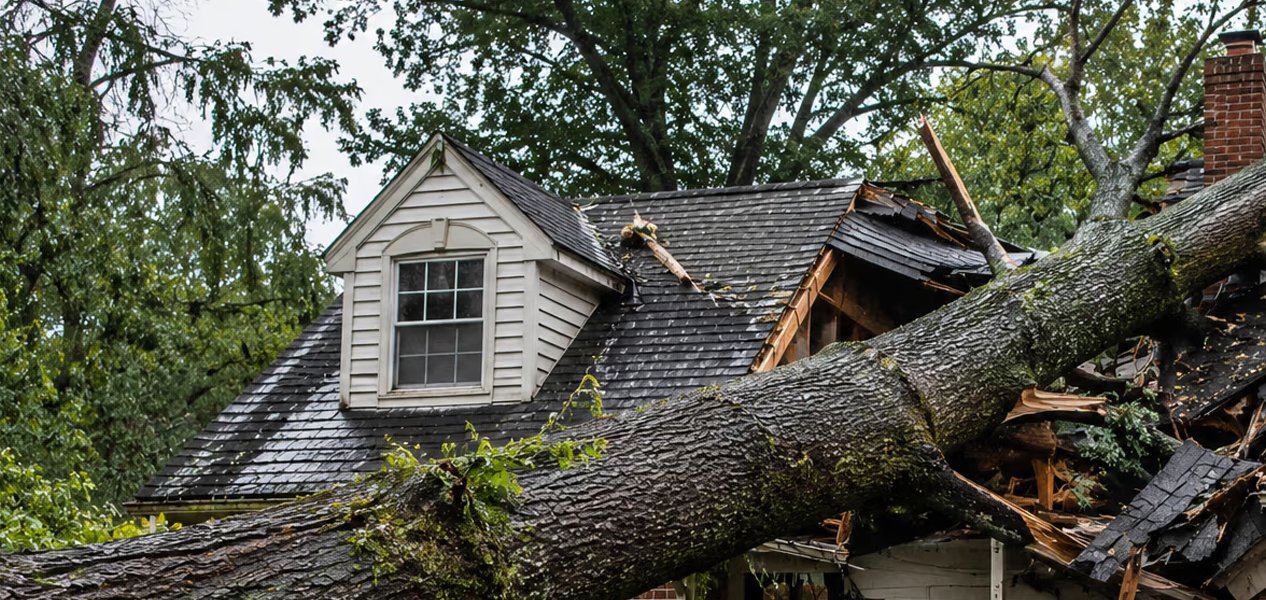
A fallen tree can damage more than the roof surface. Decking, framing, gutters, and interior areas may also be affected. The safest response starts with people, utilities, and structural stability. Cleanup should begin only after those immediate risks are controlled.
Mo’s Professional Roofing can inspect tree and debris damage in San Diego. The team can assess roofing concerns and explain the next repair steps. If your roof has an opening or active water entry, visit the emergency roof repair service and request help promptly.
Frequently Asked Questions
What Should I Do First if a Tree Falls on My Roof?
Move everyone away from the damaged part of the home first. Watch for power lines, gas odors, falling debris, and roof movement. If the structure looks unstable, leave through a safe route. Contact emergency services when immediate hazards are present.
Is It Safe to Stay in My House if a Tree Fell on the Roof?
That depends on the location and severity of the impact. Minor branch damage may not affect structural safety. Sagging rooflines, broken framing, ceiling movement, gas concerns, or electrical hazards are different. Leave the affected area until professionals confirm it is safe.
Should I Remove the Tree Before or After Calling a Roofer?
Large tree impacts often require coordination between both services. A roofer may first assess roof stability and obvious damage. Then a tree crew can remove the load safely. After removal, the roofer can inspect hidden areas and protect any openings.
Does Homeowners Insurance Cover a Tree Falling on the Roof?
Some policies may cover sudden damage from a fallen tree. Coverage depends on the policy terms and cause of loss. Document the damage carefully and contact your insurer. Avoid assuming coverage before the claim receives review.
How Much Does It Cost to Repair a Roof After a Fallen Tree?
There is no single repair price for this type of damage. Cost depends on tree size, removal difficulty, roofing material, and framing damage. Tarping, interior water damage, and replacement needs may also affect the total. An inspection provides the clearest estimate.