
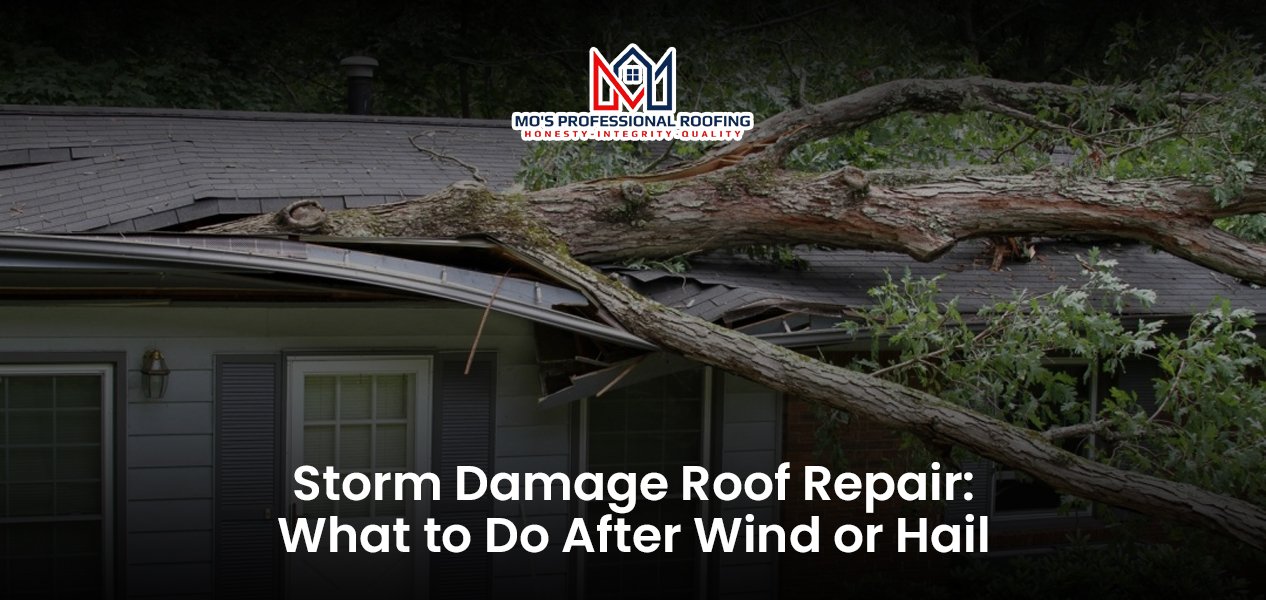
Storm Damage Roof Repair: What to Do After Wind or Hail
A storm can pass quickly while roof damage stays behind. Strong wind may lift materials, while hail can leave impact marks. Some problems appear immediately, while others stay hidden until later rain. Knowing the right steps after a storm protects your home from added damage. This guide explains storm damage roof repair, warning signs, safe checks, and the next steps homeowners should take.
What Should You Do First After a Wind or Hail Storm?
Start with safety before checking any part of your roof. Wait until strong winds, hail, and heavy rain have passed. Avoid climbing onto wet roofing materials after severe weather. Loose shingles or cracked tiles can make normal footing less stable.
Begin your inspection from inside the home and ground level. Look for new ceiling stains, damp walls, or active dripping. Then walk around the property when conditions become safe. A professional storm damage roof repair inspection can check areas that remain difficult to see.
Take clear photos of damage you can safely observe. Include roofing pieces on the ground, damaged gutters, and interior stains. These records can help show when the damage first appeared. Avoid moving damaged materials until you have documented their condition.
Check Inside Your Home Before Looking Outside
Storm damage does not always begin with missing roof materials. Sometimes the first clue appears inside a bedroom or attic. Look for fresh ceiling marks, damp drywall, or water near windows. A new stain after severe weather deserves closer attention.
If water is already entering the home, note its location. Move furniture and valuables when you can do so safely. Active leaks may require emergency roof repair before more rain arrives. Stay away from sagging ceilings or wet electrical fixtures.
An attic can also reveal early signs of water entry. Check accessible areas for damp insulation or dark roof decking. Small beams of daylight can also point toward an opening. Never enter an attic area that looks unstable or unsafe.
Walk Around the Property From Ground Level
Once the weather clears, walk slowly around your property. Look for visible changes rather than trying to inspect everything. Missing shingles, shifted tiles, and fallen branches deserve attention. Roofing fragments in the yard can also reveal recent damage.
Check the gutters and downspouts while you walk around. Fresh dents may suggest hail struck other roof surfaces nearby. Loose gutter sections can also follow strong wind events. Our guide on home checks before guests arrive also explains simple roof, gutter, and ceiling checks from safe areas.
Roof edges deserve attention because wind reaches those areas directly. Look for shingles that appear raised or out of line. Tile sections may also shift without falling completely away. Ground-level photos can help a roofer understand what changed.
How Wind Can Damage a Roof
Wind damage often involves movement rather than direct impact. Strong gusts can lift shingles and weaken sealed edges. Tiles may shift, while flashing can loosen near roof openings. The roof may still look complete from the ground afterward.
One important detail is easy to miss after strong wind. A shingle can lift during the storm and settle again. Its seal may still be weakened even when it looks normal. That damage can allow water underneath during future rainfall.
Missing, Lifted or Creased Shingles
Missing shingles provide one of the clearest wind damage signs. However, complete material loss is not always required. Shingles may lift at the edges or develop visible creases. Those areas can become weaker during the next storm.
Look for roof sections that appear uneven from ground level. One raised edge may stand out beside surrounding shingles. A professional roof inspection can examine these areas without relying on a driveway view alone. The inspection also helps separate recent storm damage from older wear.
Shifted or Broken Roof Tiles
Tile roofs can show storm damage differently from asphalt shingles. Wind may shift tiles and expose the layers beneath them. Falling debris can also crack or chip individual pieces. Even one displaced tile can leave a weak area.
San Diego homes often use tile roofing in many neighborhoods. That makes material-specific inspection especially useful after strong weather. A shifted tile may look minor from the ground. Yet rain can reach areas that were previously covered.
Loose Flashing Around Roof Openings
Flashing protects joints around vents and other roof openings. Strong wind can bend or loosen these metal sections. Water may then enter around edges during later rainfall. This type of damage can happen without missing shingles.
Pay attention to flashing near skylights and visible roof vents. Chimney areas and wall connections also deserve professional review. If water appears indoors near these areas, roof leak repair may be needed alongside storm repairs.
What Does Hail Damage Look Like on a Roof?
Hail damage usually appears differently from wind-related damage. Wind moves roofing materials, while hail creates impact marks. The exact appearance depends on roof material and hail size. Damage may also vary between different roof slopes.
A roof can have hail damage without leaking that day. Some impact marks affect the outer surface first. Later weather may expose weakened areas to more moisture. That is why indoor dryness alone cannot rule out hail damage.
Asphalt Shingle Bruising and Granule Loss
Hail can strike the surface of asphalt shingles repeatedly. You may notice dark spots or areas with missing granules. Larger impacts can also leave bruised or cracked sections. These signs need context before anyone labels them storm damage.
Granule loss alone does not prove that hail caused damage. Normal aging and foot traffic can also remove granules. Tree contact may create similar surface wear over time. A roofer should consider the pattern and surrounding signs together.
You may also find loose granules near gutter outlets. That clue can support a closer roof inspection. However, it should not become the only reason for repair. Roof age and existing wear still matter when judging damage.
Cracked Tiles and Dented Metal Parts
Hail can affect tile and metal surfaces in different ways. Roof tiles may develop chips or cracks after harder impacts. Metal vents and flashing can show small dents. Gutters may also carry fresh marks from the same storm.
These nearby dents can help show how the storm affected property. Still, cosmetic marks do not always mean roofing has failed. The key question is whether the damage affects water protection. A close inspection helps answer that more accurately.
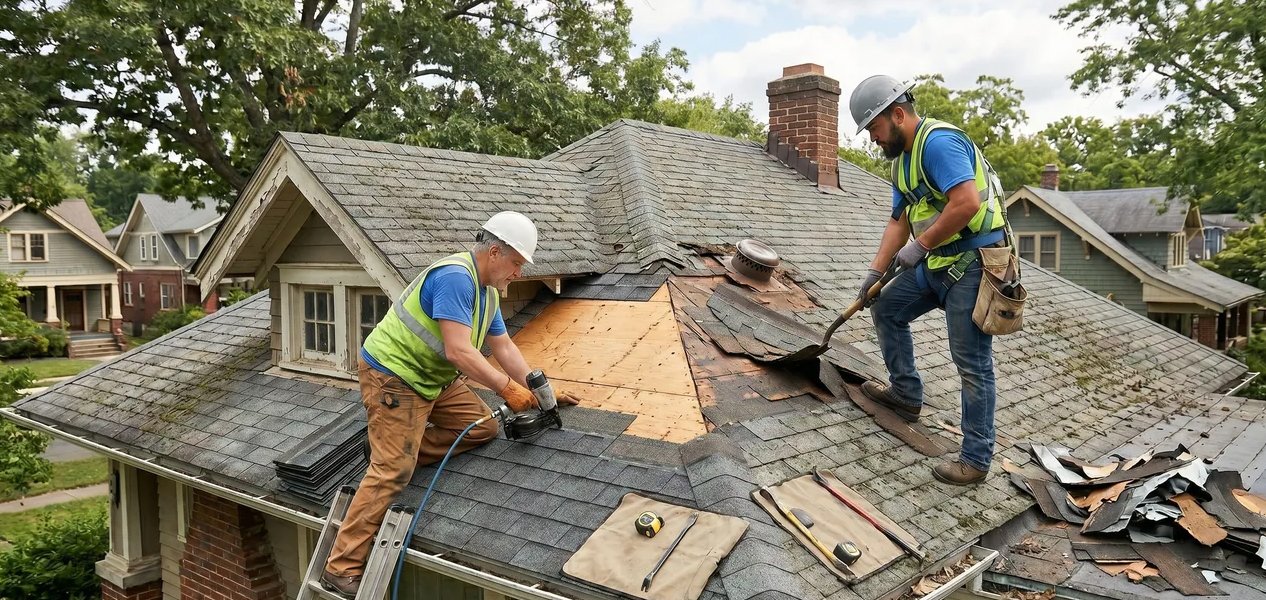
Storm Damage Can Stay Hidden Without an Immediate Leak
One of the biggest mistakes is waiting for indoor dripping. Storm damage can exist before water reaches your ceiling. Lifted materials may remain dry until the next rainfall. Small openings can also stay hidden beneath overlapping roof sections.
The same problem can happen after hail hits shingles. Surface damage may weaken materials without creating instant water entry. Future rain can then expose those damaged areas further. A timely roof check helps catch these concerns before conditions change.
Interior signs may appear days after the original storm. Watch for new stains after the next period of rain. Damp attic insulation can also reveal hidden water entry. If those signs appear, the roof needs a closer inspection.
Wind Damage and Hail Damage Are Not the Same
Homeowners often group every storm problem into one category. However, wind and hail usually leave different roof patterns. Understanding those differences helps you describe what you observed. It also gives the roofer better information before inspection.
Storm Type | Common Roof Signs | Other Clues |
Strong wind | Lifted shingles, missing materials, shifted tiles | Loose flashing or roof debris |
Hail | Impact marks, bruising, cracked tiles | Dented gutters or metal vents |
Heavy rain | New leaks, stains, damp attic areas | Water around roof openings |
Flying debris | Punctures, broken tiles, damaged roof sections | Branches or debris near the home |
A single storm can create more than one damage type. Wind may lift shingles while debris strikes another roof section. Rain can then enter through either damaged area. The full roof condition matters more than one visible symptom.
What to Do Right After You Find Storm Damage
Once you notice storm damage, focus on safe action first. Do not rush onto the roof or attempt a quick patch. Start by limiting indoor water, taking photos, and noting visible changes. Then arrange a professional inspection before another storm makes the damage harder to manage.
If water is entering the home, move nearby items carefully. Use buckets for safe drips and keep people away from unstable ceilings. When the leak is active, emergency roof repair may be the right next step. The goal is to control immediate risk before permanent work begins.
Document the Damage Before Major Repairs
Take clear photos from safe indoor and ground-level areas. Capture missing materials, cracked tiles, dents, leaks, and fallen branches. If you find roofing pieces in the yard, photograph those too. These records can help show the condition soon after the storm.
Write down when the storm happened and what changed afterward. Keep any temporary repair receipts in one place. If an insurance claim becomes necessary, those records can support your timeline. Mo’s insurance claim roof repair service can also help document visible roofing concerns.
Prevent More Water From Entering
Temporary protection can help until permanent repairs are ready. However, temporary work should never put you in danger. Avoid climbing onto wet or unstable roofing after severe weather. Let trained roofers handle areas that require roof access.
A temporary cover may help protect an open roof section. It does not replace proper roof repair. The damaged area still needs inspection and a permanent fix. This distinction matters when weather remains unsettled after the first storm.
Should You Call a Roofer or Your Insurance Company First?
There is no single order that fits every situation. Start by documenting safe visible damage and limiting further water entry. Then review your policy and contact your insurer when needed. A roofing inspection can also explain what damage is present.
A roofer can describe roof condition and repair needs. The insurance company decides whether your policy covers the loss. Keeping those roles separate helps avoid confusion. It also keeps the process focused on facts rather than assumptions.
If the damage looks limited, you may only need repair. Larger storm events can require a broader review. The right decision depends on roof age, material condition, and damage spread. Avoid assuming replacement is needed before an inspection.
Repair or Replacement After Storm Damage
Not every storm-damaged roof needs full replacement. Many homes only need targeted repairs after wind or hail. A few missing shingles or broken tiles may stay limited. Surrounding materials also matter when choosing the repair scope.
A broader replacement discussion may make sense in other cases. Damage across several roof sections can change the decision. Older materials may also make isolated repairs less practical. The roofer should explain why one option fits better.
If wider damage is present, review the roof replacement service before deciding. The page explains when replacement may become part of the roofing plan. A full replacement should follow condition and repair needs, not fear.
When Repair Often Makes Sense
Repair may be suitable when damage stays in one area. The surrounding roof should remain in usable condition. A few broken tiles or loose shingles may fit this case. Small flashing repairs can also fall into this category.
The goal is restoring the damaged section without unnecessary work. A professional roof repair service can address isolated defects when the rest of the roof remains sound. That approach can be more practical than replacing unaffected areas.
When Replacement May Need Discussion
Replacement may be considered when damage is widespread. It may also come up when the roof already shows major wear. Large sections with repeated leaks can change the repair value. Material availability can matter as well.
The final decision should follow a careful roof assessment. One storm does not automatically mean replacement. In many cases, focused repairs remain enough. That balanced approach gives homeowners clearer choices.
How Soon Should Storm Damage Be Inspected?
Storm damage should be checked soon after conditions become safe. You do not need to wait for a ceiling leak. Hidden damage can remain dry until later rain. That delay can make the original problem harder to trace.
A timely inspection can identify lifted shingles and shifted tiles. It can also check flashing, vents, valleys, and roof edges. These areas often show damage before interior symptoms appear. Early inspection gives you more time to plan repairs.
If no visible damage appears, keep watching after future rainfall. New stains or damp attic areas can reveal delayed leakage. A professional roof inspection can provide a closer review when storm exposure is known.
How to Tell Storm Damage From Normal Roof Wear
Storm damage often appears as a sudden change after weather. Missing shingles, fresh cracks, and new dents fit that pattern. A new leak after strong wind also deserves attention. Localized marks can sometimes show where impact occurred.
Normal roof wear tends to develop more gradually. Aging shingles may lose granules over a wider area. Old sealant can crack without a recent storm. Repeated leaks may also point to long-term roof problems.
This difference matters because storm repairs and maintenance serve different needs. A roofer should compare recent damage with existing wear. That helps create a more accurate repair plan.
Cosmetic Damage Is Not Always Functional Damage
Not every mark means the roof has failed. Some dents may only affect appearance. Other damage can change how the roof sheds water. That difference is important when deciding whether repairs are needed.
A shingle can also look normal while its seal is weak. The opposite can happen with some metal dents. Visible damage alone does not always show roof performance. That is why inspection matters after hail or strong wind.
Common Mistakes to Avoid After a Storm
Homeowners often make quick decisions after severe weather. Some actions can create more problems later. Avoid rushing into repairs before understanding the damage. A calm inspection process usually gives you better information.
Do not climb onto a wet or unstable roof. Avoid covering damage before taking safe photos. Do not assume every dent proves hail damage. Also, never accept full replacement as the only choice without explanation.
Another common mistake is ignoring small changes after the storm. A loose shingle or shifted tile can worsen later. Small problems deserve attention before heavy rain returns. That is especially true when the roof already shows age.
A Simple Timeline After Wind or Hail
Right after the storm, check people and property safety. Look indoors for active water and ceiling changes. Stay off the roof while surfaces remain wet. Move belongings only when the area is safe.
Once conditions improve, walk around the property from ground level. Take photos of visible roof and gutter damage. Check for broken tiles or missing shingles. Note roofing pieces that landed around the yard.
Within the next day or two, arrange an inspection if damage appears. Contact your insurer when the situation may involve a claim. Keep photos and receipts together for your records. Complete permanent repairs after the damage scope becomes clear.
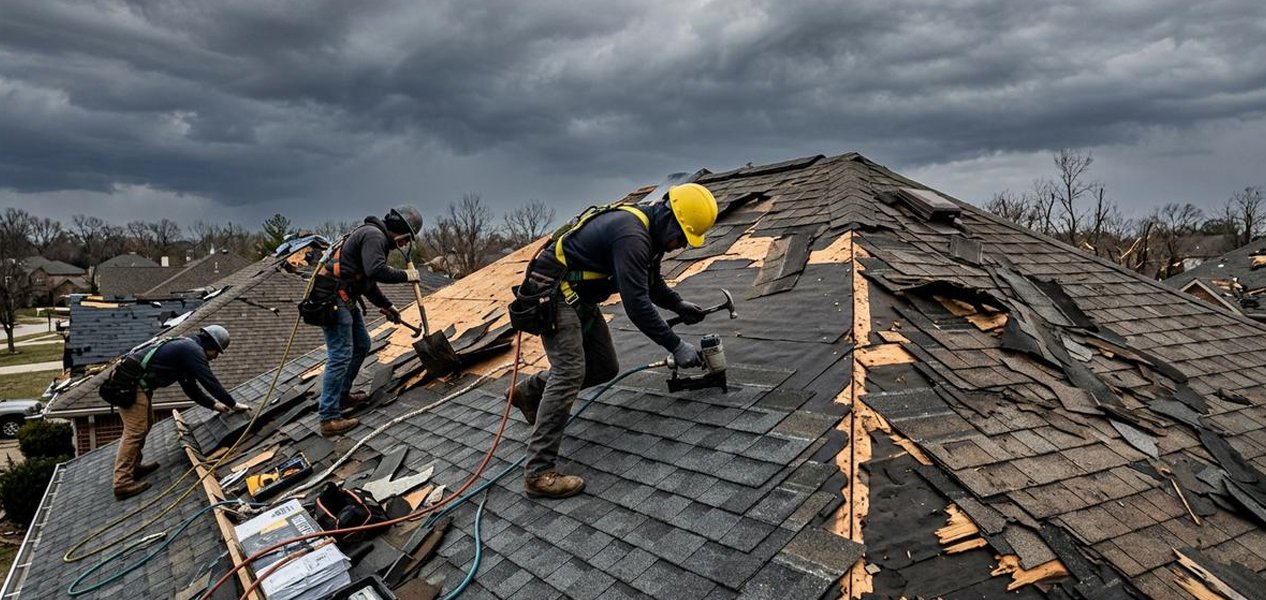
Get Storm Damage Roof Repair in San Diego
Wind and hail can leave roof problems that are easy to miss. Missing shingles are only one possible sign. Shifted tiles, loose flashing, and hidden leaks also deserve attention. A safe inspection helps show what the roof needs next.
Mo’s Professional Roofing can inspect storm-related damage in San Diego. The team can explain repair options based on roof condition. If your home has new damage after wind or hail, visit the storm damage roof repair service and request an inspection.
Frequently Asked Questions
Can Wind Damage a Roof Without Removing Shingles?
Yes, wind can lift shingles without removing them completely. A lifted shingle may settle back after the storm. Its seal can still remain weak underneath. That damage may allow water entry during later rain.
Can Hail Damage a Roof Without Causing a Leak?
Yes, hail can damage roofing before a leak appears. Impact marks may affect the surface first. Later weather can expose weaker areas more clearly. An inspection can help identify damage before water enters indoors.
Should I Tarp My Roof After a Storm?
A tarp can provide temporary protection in some cases. However, roof access can be unsafe after strong weather. Do not climb onto wet or unstable surfaces. Let a roofing professional handle difficult or risky placement.
Does Storm Damage Always Mean Roof Replacement?
No, many storm-damaged roofs only need repair. The right choice depends on damage spread and roof condition. A few affected areas may stay repairable. Wider damage can lead to a replacement discussion.
Can Storm Damage Show Up Days Later?
Yes, some leaks appear after the next rainfall. Wind damage may weaken seals without immediate water entry. Hail can also create surface damage before leaks begin. Watch for new stains after later weather.